
Queen Elizabeth National Game Park: A Complete Guide to Uganda’s Wildlife Destination
Queen Elizabeth National Park is one of Uganda’s most popular wildlife destinations, offering an exciting combination of savannah landscapes, crater lakes, tropical forests, wetlands, and abundant wildlife. Located in western Uganda, the park lies between Lake George and Lake Edward, with the Kazinga Channel connecting the two lakes. Its diverse habitats support numerous animal and bird species, making it an excellent destination for travellers seeking a memorable African safari.
The park is famous for its elephants, buffaloes, lions, Uganda kob, hippos, and more than 600 recorded bird species. One of its most distinctive attractions is the tree-climbing lions of the Ishasha sector, where visitors may find lions resting in the branches of large fig trees. The park also offers chimpanzee tracking in Kyambura Gorge, boat cruises along the Kazinga Channel, guided game drives, and scenic routes through volcanic crater landscapes.
Queen Elizabeth National Park was originally established as Kazinga National Park in 1952 and received its present name in 1954 to commemorate a visit by Queen Elizabeth II. Today, it is an important conservation area and a leading destination for wildlife tourism in Uganda.
The park is suitable for different types of travellers, including couples, families, photographers, birdwatchers, and visitors exploring Uganda for the first time. Its variety of activities allows guests to combine traditional savannah game viewing with forest exploration, boat trips, and cultural experiences.
Whether you are planning a short wildlife holiday or a longer journey through western Uganda, Queen Elizabeth National Park offers opportunities to discover the country’s natural beauty and rich biodiversity.
Location and Geography of Queen Elizabeth National Game Park
Queen Elizabeth National Park is situated in western Uganda, within the Albertine Rift region. It covers approximately 1,978 square kilometres and includes a variety of ecosystems, from open grasslands and woodland to freshwater lakes, wetlands, and forested areas.
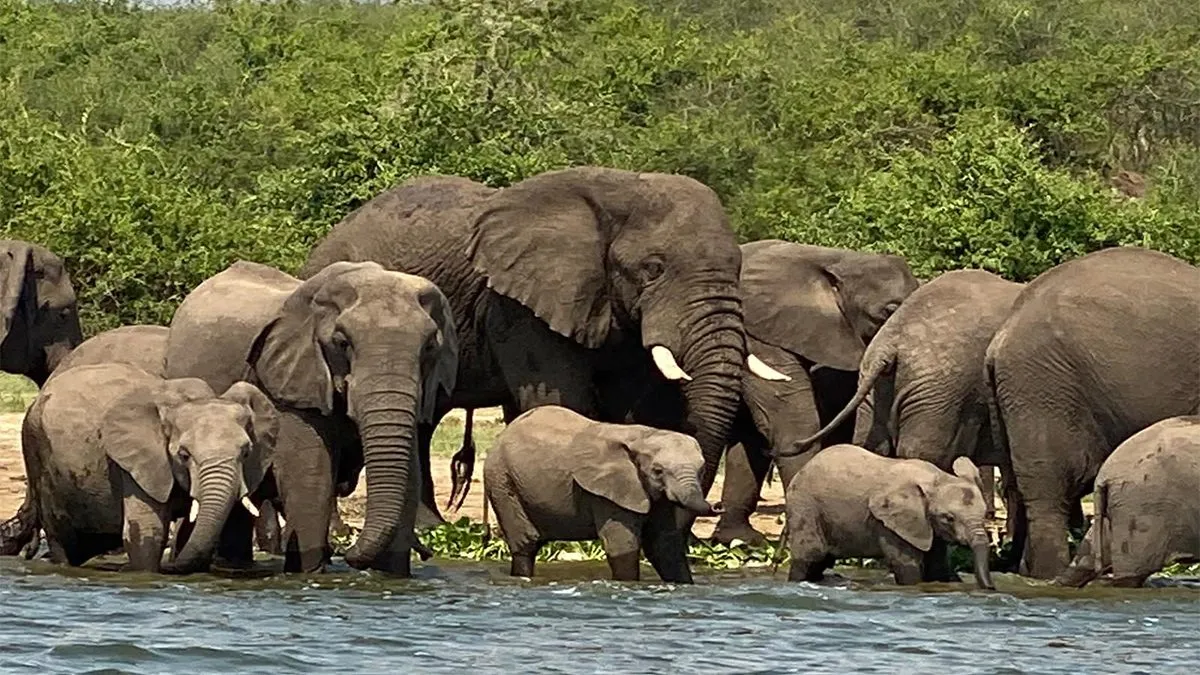
The park is bordered by Lake George in the northeast and Lake Edward in the southwest. The Kazinga Channel links these two lakes and creates one of the park’s most important habitats for wildlife. Its banks attract hippos, crocodiles, elephants, buffaloes, and numerous waterbirds.
The Rwenzori Mountains rise to the north of the park, creating an impressive backdrop for parts of the landscape. Volcanic craters and crater lakes add further variety, especially around the northern and eastern sections.
The park is divided into several areas that provide different experiences. The Kasenyi plains are well known for game drives and lion sightings. The Mweya Peninsula is an important tourism centre near the Kazinga Channel. The Ishasha sector in the south is famous for its tree-climbing lions, while Kyambura Gorge offers opportunities to track chimpanzees in a forested valley.
This variety of landscapes makes Queen Elizabeth National Park more than a conventional savannah destination. Visitors can experience several habitats within one protected area, often during a stay of only a few days.
Wildlife in Queen Elizabeth National Game Park
Wildlife is one of the main reasons visitors travel to Queen Elizabeth National Park. The park supports a wide range of mammals, including elephants, buffaloes, lions, leopards, hippos, Uganda kob, waterbucks, warthogs, and several other antelope species.
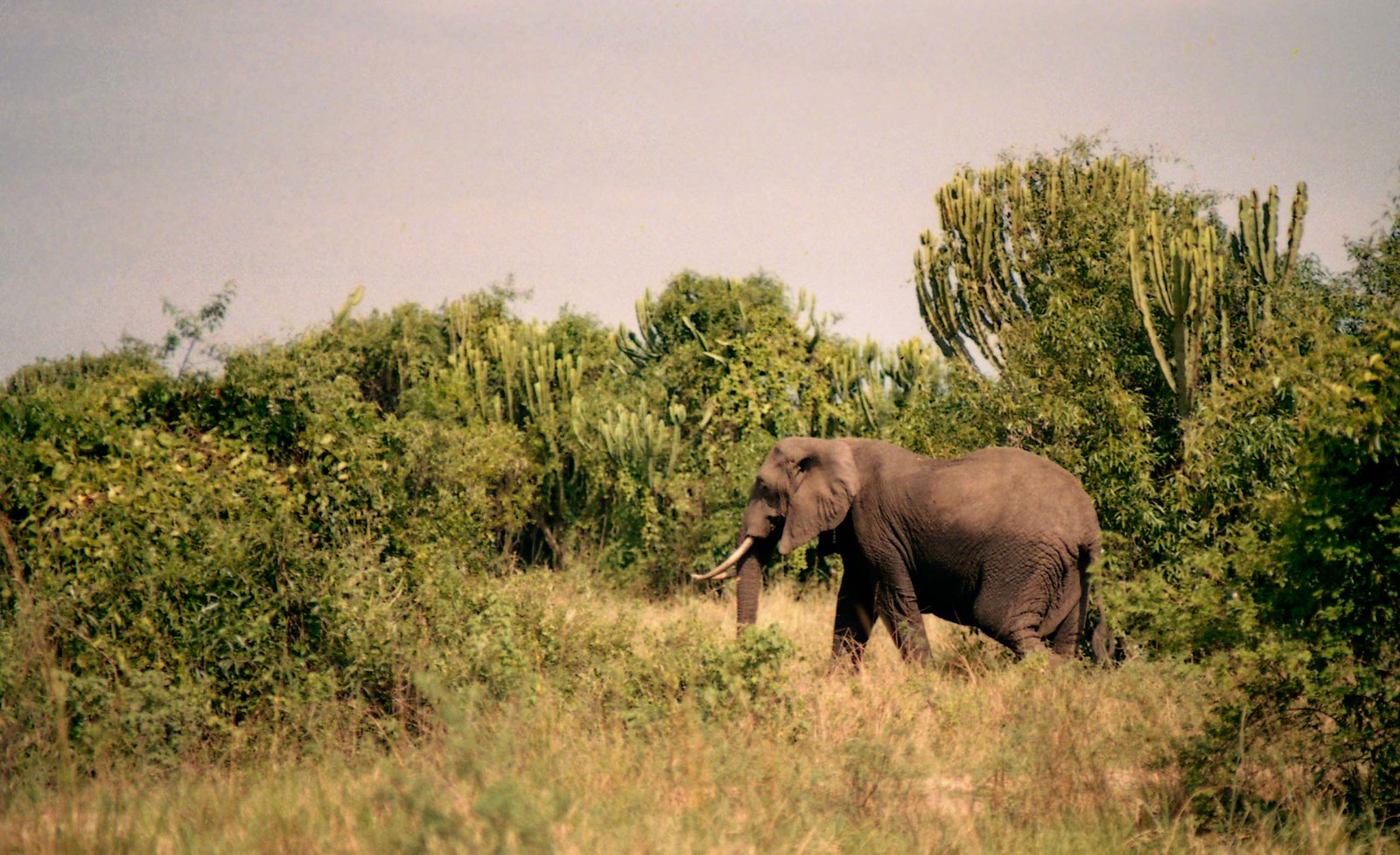
African elephants are commonly encountered in different parts of the park. They may be seen feeding in woodland, moving across open grasslands, or approaching the Kazinga Channel to drink and cool down. Observing elephants in their natural environment is often a memorable part of a game drive.
Buffaloes are another important feature of the park. Large herds graze across the plains and gather near water sources, particularly during drier periods. Their presence also attracts predators, making certain areas interesting for visitors hoping to see lions.
Uganda kob are among the park’s characteristic antelopes. They are particularly associated with the Kasenyi plains, where they graze in open areas. These antelopes are important prey for lions, which is one reason the plains are popular for predator viewing.
Lions are among the most sought-after animals in the park. They can be found in the Kasenyi area and the southern Ishasha sector, although sightings are never guaranteed. Leopards are also present but are more difficult to observe because of their secretive behaviour.
The park’s water bodies support large numbers of hippos and Nile crocodiles. Boat cruises provide excellent opportunities to observe these animals from the water while learning about their behaviour and ecological importance.
Other wildlife includes spotted hyenas, giant forest hogs, waterbucks, topi, and warthogs. The combination of different habitats allows the park to support a remarkable variety of species.
Game Drives on the Kasenyi Plains
Game drives are among the most popular activities in Queen Elizabeth National Park. The Kasenyi plains, located in the northeastern part of the park, are particularly well known for open grasslands, Uganda kob, and opportunities to search for lions.
Early morning is generally a productive time for game viewing. Temperatures are cooler, and some animals remain active after the night. Lions may be resting near bushes or moving through the grasslands, while antelopes begin feeding in open areas.
Afternoon game drives provide another opportunity to explore the plains. As temperatures begin to fall, animals may become more active, and the changing light creates attractive conditions for photography.
Visitors may encounter elephants, buffaloes, Uganda kob, waterbucks, warthogs, and other species during a typical drive. Guides also help travellers search for predators and explain animal behaviour, feeding patterns, and relationships between different species.
A knowledgeable guide can improve the experience by identifying tracks and signs that visitors might otherwise overlook. However, wildlife sightings depend on animal movements, weather, and the amount of time spent exploring.
Game drives are also an opportunity to appreciate the landscape. The open plains, scattered trees, distant hills, and changing vegetation create a classic African safari setting.
Visitors should remain inside the vehicle unless their guide identifies an authorised place to get out. Keeping a safe distance from animals helps protect both wildlife and travellers.
The Famous Tree-Climbing Lions of Ishasha
The Ishasha sector in the southern part of Queen Elizabeth National Park is one of Uganda’s most distinctive wildlife destinations. It is particularly famous for lions that sometimes rest in the branches of large fig trees.
This behaviour is unusual and makes Ishasha an important attraction for photographers and wildlife enthusiasts. Visitors may find lions lying along thick branches, resting above the grasslands while watching their surroundings.
Researchers and wildlife observers have suggested several possible reasons for this behaviour, including escaping heat, avoiding insects, or gaining a comfortable resting place. The exact reasons can vary, and tree climbing should not be assumed to occur every day.
Ishasha also supports elephants, buffaloes, Uganda kob, topi, waterbucks, and numerous bird species. Its combination of open savannah and riverine woodland creates a different atmosphere from the central sections of the park.
Game drives in Ishasha are often quieter than those around the main tourism areas, although visitor numbers vary with the season. The open landscape and scattered trees provide excellent opportunities for wildlife photography.
Travellers hoping to see tree-climbing lions should allow enough time to explore the area. Sightings are not guaranteed, so patience and a knowledgeable guide are important.
Ishasha can also be a convenient stop for visitors travelling between Queen Elizabeth National Park and Bwindi Impenetrable National Park. This makes it possible to combine a savannah safari with mountain gorilla trekking in a broader Uganda itinerary.
Boat Cruise on the Kazinga Channel
A boat cruise along the Kazinga Channel is one of the signature experiences in Queen Elizabeth National Park. The channel connects Lake George and Lake Edward and provides an important water source for wildlife throughout the year.
During the cruise, visitors may see hippos resting in the water, Nile crocodiles along the banks, elephants drinking at the shoreline, and buffaloes gathering near the water. Waterbirds are particularly abundant, making the journey attractive to birdwatchers and photographers.
The boat offers a different perspective from a game drive. Instead of searching across the grasslands, visitors observe animals as they interact with the riverbank environment. Guides explain the species encountered and describe the importance of the channel to the park’s ecosystem.
Birds commonly associated with the channel include African fish eagles, kingfishers, herons, cormorants, pelicans, and other waterbirds. The diversity of species makes the cruise rewarding even for visitors who have already completed several game drives.
The experience usually lasts around two hours, depending on the operator and the trip selected. Visitors should confirm departure times, prices, and availability when planning their itinerary.
A boat cruise is particularly useful for families and travellers who prefer a wildlife activity that does not require several hours of driving over rough tracks. It also provides opportunities to enjoy the scenery and photograph animals from a comfortable viewing position.
Chimpanzee Tracking in Kyambura Gorge
Kyambura Gorge is one of the most interesting places to visit within Queen Elizabeth National Park. The gorge cuts through the surrounding savannah and contains a forested ecosystem that supports chimpanzees and other wildlife.
Chimpanzee tracking takes visitors into the forest with trained guides who help locate the primates and explain their behaviour. The experience is different from a savannah game drive because it involves walking through forest terrain and observing animals within dense vegetation.
Chimpanzees are highly intelligent primates that live in social groups. During a tracking experience, visitors may hear their calls before seeing them moving through the trees or feeding in the forest. Sightings depend on where the chimpanzees are located and how they move through the habitat.
Kyambura Gorge also supports birds, monkeys, butterflies, and other forest species. Its steep sides and green vegetation create a striking contrast with the open grasslands above.
Chimpanzee tracking requires advance planning and compliance with the applicable park rules. Visitors should confirm permit availability, activity requirements, and current arrangements before travelling.
The activity is especially appealing to travellers who want to combine traditional wildlife viewing with a closer look at Uganda’s primates. It can also complement gorilla trekking elsewhere in the country.
Birdwatching in Queen Elizabeth National Game Park
Queen Elizabeth National Park is one of Uganda’s leading birdwatching destinations, with more than 600 recorded bird species. Its varied habitats include wetlands, lakeshores, open grasslands, woodland, crater lakes, and tropical forest.
The Kazinga Channel is an excellent place to observe waterbirds. African fish eagles may be seen perched near the water or flying overhead, while kingfishers, herons, and cormorants feed along the banks. The presence of hippos and other mammals adds interest to the birdwatching experience.
The park’s savannah areas support species such as secretary birds, various raptors, hornbills, and other grassland birds. Woodland and forest habitats offer different species, making it worthwhile to explore more than one area.
Birdwatching can be combined with game drives and boat cruises, but dedicated birders may prefer to spend additional time in particular habitats. A knowledgeable guide can help identify birds by their calls, plumage, behaviour, and flight patterns.
Binoculars are useful for observing distant species, while a camera with a telephoto lens can help capture details. Visitors should also carry drinking water, wear comfortable clothing, and allow time for quiet observation.
The park’s bird diversity makes it suitable for both experienced birdwatchers and beginners. Even travellers primarily interested in mammals are likely to encounter a wide variety of birds during their stay.
Crater Lakes and Scenic Landscapes
Queen Elizabeth National Park is not only known for wildlife. Its volcanic crater landscapes provide some of the most striking scenery in western Uganda.
The crater areas contain depressions formed by past volcanic activity, with some craters holding lakes while others remain dry. The surrounding terrain includes rolling hills, open viewpoints, and vegetation that changes with elevation and rainfall.
A drive through the crater region provides opportunities to stop at viewpoints and photograph the surrounding landscape. On clear days, visitors may enjoy views towards the Rwenzori Mountains and the wider Rift Valley.
The Katwe area is particularly interesting because of its long history of traditional salt extraction. Local people have harvested salt from the saline lake for generations, and a guided visit can help travellers understand the methods used and the importance of the activity to the local economy.
Scenic drives are suitable for visitors who want to balance wildlife viewing with landscape exploration. The crater region can also provide a welcome change of pace after several game drives.
Visitors should use authorised routes and follow local guidance, particularly when roads are steep or affected by rain. Taking time to appreciate the scenery adds another dimension to a visit to Queen Elizabeth National Park.
Maramagambo Forest and Nature Exploration
Maramagambo Forest offers another perspective on the park’s ecological diversity. Unlike the open savannah, this forested area provides shaded trails, dense vegetation, and habitats for birds, primates, and other forest wildlife.
Guided forest walks allow visitors to learn about trees, plants, insects, birds, and the relationships between different species. The forest’s atmosphere is noticeably different from the sunlit plains, making it an interesting addition to a wildlife itinerary.
Visitors may encounter monkeys and a variety of bird species, although sightings depend on the conditions and the time spent exploring. Forest wildlife is often harder to observe than animals in open grasslands because vegetation can limit visibility.
Guided walks should be arranged through authorised providers, and visitors should follow all instructions about routes and safety. Suitable footwear, drinking water, and protection against rain can make the experience more comfortable.
Maramagambo is particularly appealing to travellers interested in nature beyond large mammals. It helps demonstrate how different habitats within one park support different forms of life.
 The Best Time to Visit Queen Elizabeth National Game Park
Queen Elizabeth National Park can be visited throughout the year, although seasonal conditions influence wildlife viewing, birdwatching, road access, and the appearance of the landscape.
The relatively drier periods, generally including parts of June to August and December to February, are often favourable for game drives. Vegetation may be thinner, and animals can be easier to observe in open areas. Roads and tracks may also be easier to navigate during these periods.
The wetter months bring greener scenery and can provide rewarding birdwatching opportunities. However, heavy rainfall may make some tracks muddy, and visitors should allow flexibility in their plans.
Early morning and late afternoon are generally productive times for wildlife viewing because temperatures are cooler and some animals become more active. Midday can be hot, so visitors may prefer to rest at their lodge or choose an activity suited to the conditions.
The best time depends on the traveller’s priorities. Visitors focused on game drives may prefer drier conditions, while birdwatchers and photographers may appreciate the changing colours and seasonal birdlife associated with wetter periods.
Before travelling, visitors should confirm accommodation availability, current activity arrangements, and any relevant park guidance.
How to Get to Queen Elizabeth National Game Park
Queen Elizabeth National Park can be reached by road from Kampala or Entebbe. The journey takes several hours, with the exact travel time depending on the starting point, route, traffic, road conditions, and stops along the way.
One common route passes through Mbarara, while another travels through Fort Portal. The choice depends on the itinerary and whether visitors want to include other destinations along the way.
Travelling in a safari vehicle with a driver-guide is a convenient option for visitors who prefer not to drive themselves. A guide can manage the route, coordinate park activities, and provide information about the countryside and wildlife.
Independent travellers may also drive, but they should confirm road conditions, vehicle suitability, fuel availability, and park access arrangements before departure.
Domestic flights may be available to airstrips serving the park, including the Mweya and Kasese areas, depending on the operator and schedule. Flying can reduce travel time, although visitors should account for transfers between the airstrip and their accommodation.
The most suitable transport option depends on budget, available time, and the wider travel plan. Visitors combining Queen Elizabeth National Park with gorilla trekking or other western Uganda destinations should coordinate their route carefully.
Accommodation in Queen Elizabeth National Game Park
Accommodation options around Queen Elizabeth National Park range from budget camps and guesthouses to comfortable mid-range lodges and luxury safari properties. Visitors should choose according to their budget, preferred comfort level, and planned activities.
Budget accommodation is suitable for travellers who want simple facilities and wish to keep costs under control. Facilities vary, so visitors should confirm whether meals, private bathrooms, electricity, and transfers are included.
Mid-range lodges provide a balance between comfort and price. Depending on the property, guests may enjoy private rooms, restaurants, outdoor seating areas, and views of the surrounding landscape.
Luxury lodges often provide spacious rooms, personalised service, carefully prepared meals, and attractive locations near wildlife habitats or scenic viewpoints. Some properties overlook the Kazinga Channel or surrounding savannah, allowing guests to enjoy the scenery beyond scheduled activities.
Location is an important consideration. Staying near Mweya or the central game-viewing areas may be convenient for boat cruises and game drives, while accommodation in Ishasha is useful for travellers focusing on tree-climbing lions or continuing towards Bwindi.
Visitors should compare the location, facilities, meals, and included activities before booking. Reserving accommodation in advance is advisable during busy travel periods.
How Many Days Should You Spend in Queen Elizabeth National Game Park?
Two days can provide a useful introduction to Queen Elizabeth National Park. Visitors may be able to complete a game drive and a boat cruise, depending on arrival time and the location of their accommodation.
Three days allow a more relaxed experience. Travellers can explore the Kasenyi plains, take a Kazinga Channel cruise, visit selected crater viewpoints, and include other activities if time and availability permit.
Four days or longer may suit visitors who want to explore the Ishasha sector, track chimpanzees in Kyambura Gorge, or spend more time birdwatching and photographing wildlife. Additional time also makes it easier to avoid rushing between different parts of the park.
Travellers combining the park with Bwindi Impenetrable National Park should consider the driving distance between the destinations and allow time for activities in each place.
The ideal duration depends on personal interests, transport arrangements, and budget. A carefully planned itinerary is more rewarding than trying to complete too many activities in a short period.
Responsible Tourism and Conservation
Queen Elizabeth National Park plays an important role in protecting Uganda’s wildlife and natural habitats. Its grasslands, forests, wetlands, lakes, and crater landscapes support a wide range of species and provide important ecological connections across the Albertine Rift.
Visitors can support conservation by following park regulations, avoiding littering, keeping a safe distance from wildlife, and remaining on authorised roads and trails. Feeding animals or encouraging them to approach vehicles can change their behaviour and create unnecessary risks.
Responsible tourism also involves respecting local communities. Visitors should ask permission before taking photographs of people, follow the guidance of community hosts, and choose responsible local service providers where possible.
Tourism can contribute to conservation and community livelihoods when it is managed carefully. By paying for authorised activities and using qualified guides, visitors can help support the people and organisations involved in protecting the area.
Wildlife sightings are never guaranteed, and animals should not be chased or disturbed for photographs. A responsible safari values the health of the ecosystem as much as the excitement of seeing a particular species.
What to Pack for a Queen Elizabeth National Park Safari
Packing properly helps visitors remain comfortable during game drives, boat cruises, and nature walks.
Lightweight clothing in neutral colours is useful for wildlife viewing, while a light jacket can be helpful during cool mornings and evenings. Comfortable closed shoes are suitable for most activities, and sturdier footwear may be useful for guided forest walks.
A wide-brimmed hat, sunglasses, sunscreen, insect repellent, and a reusable water bottle are practical essentials. Visitors interested in birdwatching should carry binoculars, while photographers may want telephoto lenses, spare batteries, and additional memory cards.
A light rain jacket is useful during wetter months. Personal medication, toiletries, identification, and necessary travel documents should also be packed before departure.
Visitors should confirm what their accommodation provides and carry essential supplies when travelling to remote areas. Keeping equipment protected from dust and moisture can also help during game drives and boat trips.
Why Queen Elizabeth National Game Park Is Worth Visiting
Queen Elizabeth National Park offers a rich combination of wildlife, scenery, and outdoor activities that makes it one of Uganda’s leading safari destinations. Visitors can explore open savannah plains, watch elephants and buffaloes, search for lions, cruise along the Kazinga Channel, and discover forest habitats within the same protected area.
The tree-climbing lions of Ishasha provide a distinctive wildlife experience, while Kyambura Gorge offers opportunities to encounter chimpanzees in a forested landscape. The crater lakes, birdlife, and cultural experiences around the park add further variety to an itinerary.
The park is suitable for first-time safari travellers as well as experienced wildlife enthusiasts. With enough time, suitable accommodation, and knowledgeable guides, visitors can experience several different sides of Uganda’s natural heritage.
Whether you are planning a short visit or combining the park with other destinations in western Uganda, Queen Elizabeth National Park provides a rewarding opportunity to explore wildlife, landscapes, and conservation in one of the country’s most diverse protected areas.


