
Bwindi National Park: A Complete Guide to Uganda’s Mountain Gorilla Destination
Introduction to Bwindi National Park
Bwindi Impenetrable National Park is one of Uganda’s most remarkable natural destinations, famous for its mountain gorillas, ancient rainforest, rich biodiversity, and challenging forest trails. Located in southwestern Uganda, the park attracts visitors from around the world who want to experience gorilla trekking and explore one of Africa’s most important conservation areas. Its thick vegetation, steep hills, mist-covered valleys, and remarkable wildlife make it different from the open savannah landscapes commonly associated with African safaris.
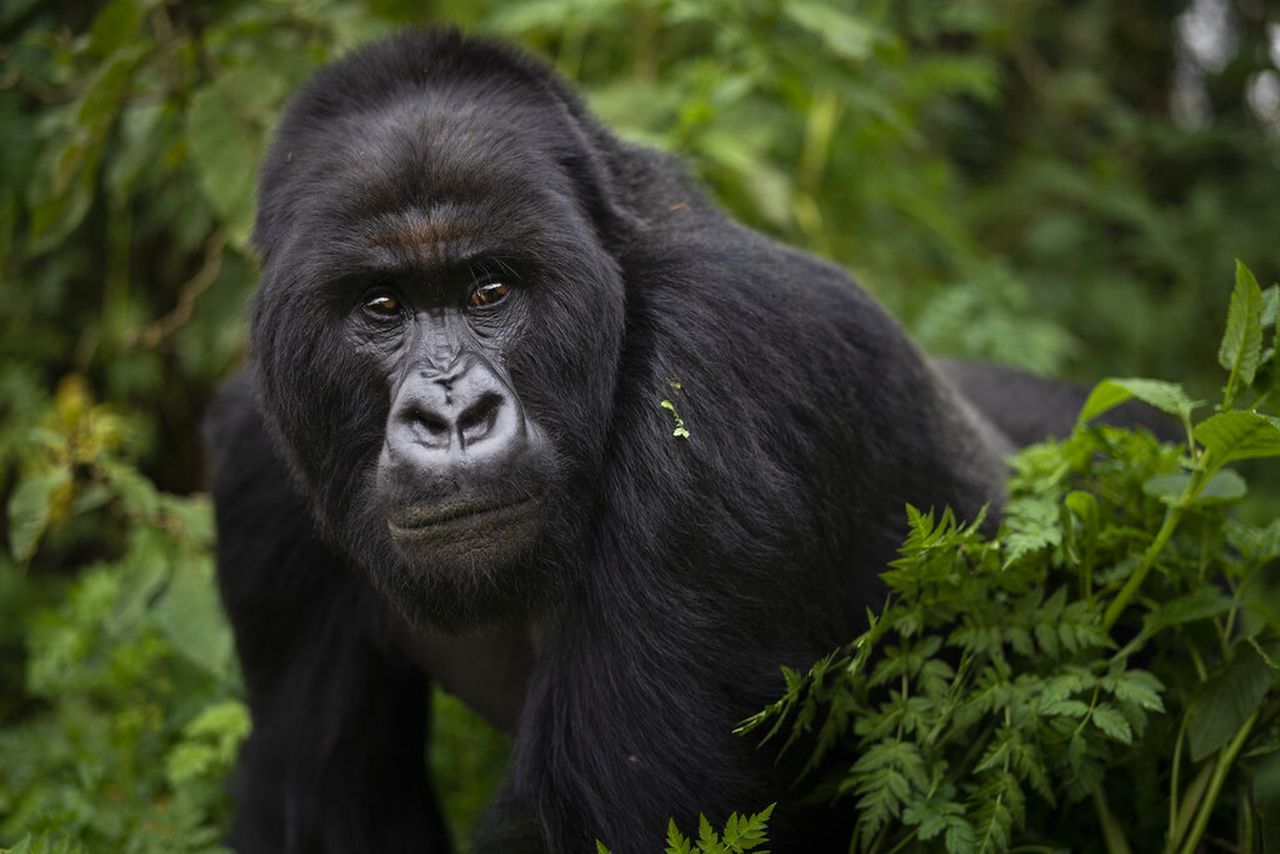
The park is home to a significant proportion of the world’s remaining mountain gorillas. These endangered primates live in family groups across the forest, feeding on leaves, shoots, stems, and other vegetation. Seeing them in their natural habitat is an unforgettable wildlife experience, especially when a family emerges through the dense foliage and visitors observe the animals interacting, feeding, resting, and caring for their young.
However, Bwindi offers more than gorilla trekking. The forest supports an exceptional variety of birds, butterflies, plants, and other mammals. Visitors can enjoy guided nature walks, birdwatching, cultural experiences, and scenic views of the surrounding highlands. The communities around the park also provide opportunities to learn about local traditions, livelihoods, and the relationship between tourism and wildlife conservation.
Bwindi is therefore an excellent destination for travellers seeking wildlife encounters, nature exploration, and a deeper understanding of Uganda’s natural heritage.
Where Is Bwindi National Park Located?
Bwindi Impenetrable National Park lies in southwestern Uganda, close to the border with the Democratic Republic of Congo and within the wider Albertine Rift region. The landscape consists of rolling highlands, steep slopes, narrow valleys, cultivated hillsides, and sections of dense tropical forest. The surrounding region is known for its cool highland climate and impressive scenery.
The park covers approximately 321 square kilometres and rises from about 1,160 metres to 2,607 metres above sea level. Its varied elevations create different forest habitats that support a wide range of plants and animals. Some areas are lower and warmer, while higher sections are often cool, misty, and damp.
Bwindi is associated with several districts, including Kanungu, Rubanda, and Kisoro. Its location means that travellers should plan their route carefully because the different gorilla trekking sectors are separated by mountainous terrain and winding roads. Reaching one sector does not necessarily mean that another sector is nearby by road.
The park can be reached from Kampala or Entebbe by road, although the journey is long and commonly requires most of a day. Travellers coming from Kigali, Rwanda, may have a shorter road journey to certain southern sectors, depending on the border crossing, road conditions, and their final accommodation. Cross-border travel requires appropriate travel documents and careful planning.
The History and Conservation Importance of Bwindi
Bwindi is one of Africa’s ancient forests, with vegetation that has survived through major environmental changes over thousands of years. Its ecological history and varied habitats have allowed numerous species to survive, including animals and plants that are difficult to find elsewhere in the region.
The forest was protected as a reserve before being designated as a national park in the early 1990s. In 1994, UNESCO recognised Bwindi Impenetrable National Park as a World Heritage Site because of its exceptional biodiversity and importance to the conservation of endangered species.
One of the park’s most important roles is protecting mountain gorillas. These primates depend on healthy forest habitats for food, shelter, movement, and breeding. Protecting their environment also safeguards other species and helps maintain the natural systems that support surrounding communities.
Conservation in Bwindi involves wildlife monitoring, ranger patrols, scientific research, habitat protection, responsible tourism, and community participation. Tourism creates employment for guides, trackers, drivers, accommodation staff, porters, craftspeople, and other local service providers. Revenue from gorilla tourism also helps support conservation and community initiatives.
Nevertheless, the forest remains vulnerable to pressures associated with human settlement, habitat disturbance, and the risk of disease transmission between people and wildlife. Responsible tourism is essential to ensuring that visitors can enjoy the park without placing unnecessary pressure on the animals or their environment.
Mountain Gorillas: The Main Attraction
Mountain gorillas are the main reason many visitors travel to Bwindi. The park protects nearly half of the world’s remaining mountain gorilla population, making it one of the most important destinations for seeing these endangered primates in the wild.
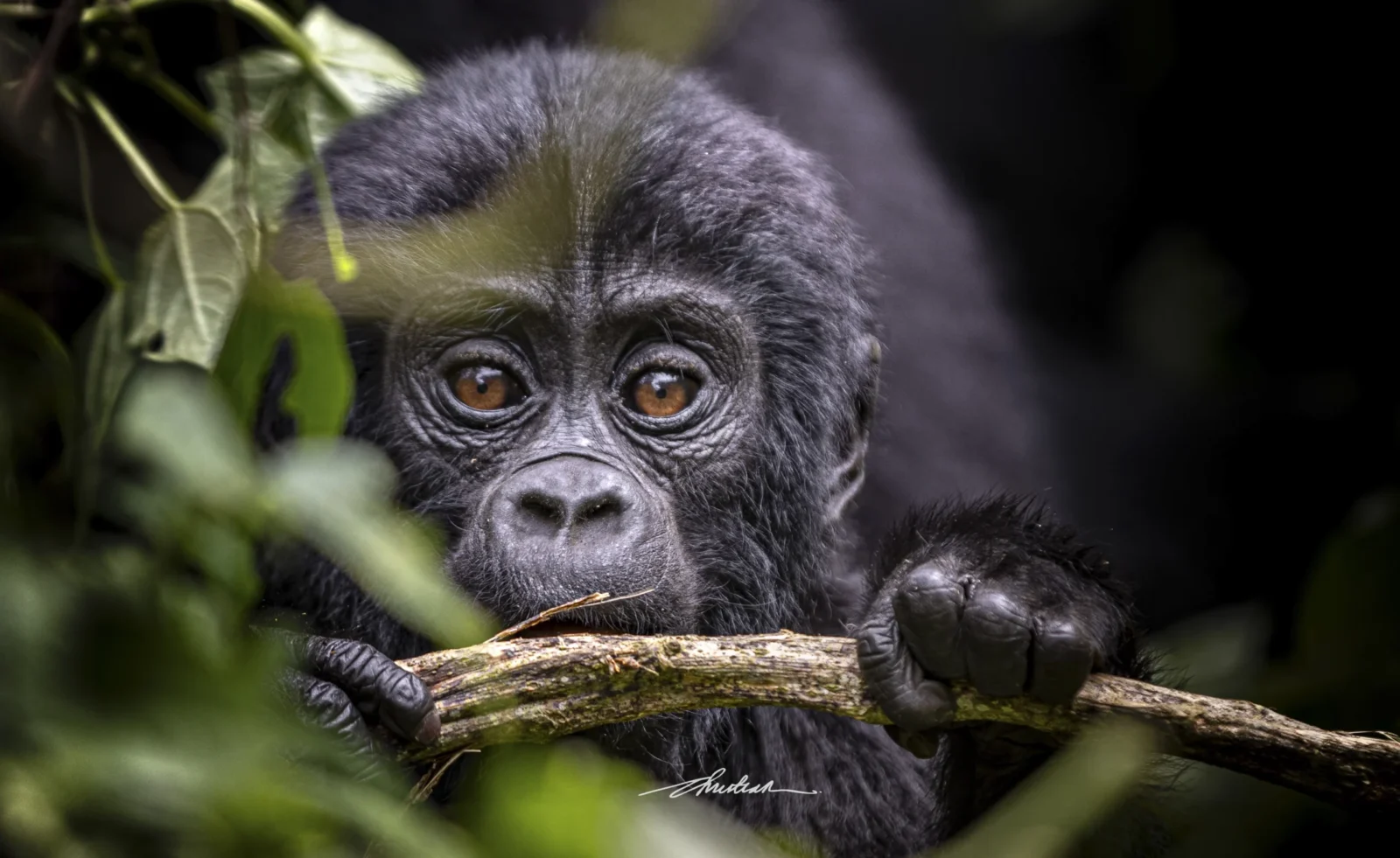
Mountain gorillas are social animals that live in family groups. A typical group may include a dominant silverback, adult females, juveniles, and infants. The silverback helps lead and protect the group, while younger gorillas spend time playing, exploring, and learning social behaviours. Watching these interactions offers visitors a closer understanding of the animals beyond their size and strength.
Despite their powerful appearance, mountain gorillas are generally calm when left undisturbed. They spend much of the day feeding, resting, moving through the forest, and maintaining relationships within the group. Their behaviour changes according to the season, food availability, weather, and the movements of the family.
Bwindi’s dense forest can make sightings feel especially rewarding. Visitors may hear branches breaking, leaves rustling, or gorillas communicating before they see the animals clearly. The forest setting also creates excellent opportunities for observing how the gorillas move through their natural habitat.
Gorilla encounters are strictly regulated. Visitors must obtain the appropriate permit, follow the instructions of their guides, maintain the required distance, and respect the rules established to protect both people and gorillas. These measures reduce disturbance and help minimise the risk of transmitting human illnesses to the animals.
Gorilla Trekking in Bwindi National Park
Gorilla trekking is the park’s signature activity. It involves hiking through the forest with trained guides and trackers to locate a habituated mountain gorilla family. The trek can be physically demanding because the terrain includes steep slopes, uneven ground, muddy paths, thick vegetation, and areas where there are no clearly defined trails.
The experience normally begins with a briefing at the designated trekking headquarters. Visitors receive information about the forest, safety procedures, gorilla behaviour, and the rules to follow during the encounter. They are then assigned to a gorilla group and accompanied by guides and trackers who use their knowledge of the forest to locate the animals.
The length of the trek varies. Some groups may be found after a relatively short walk, while others require several hours of hiking. The duration depends on where the gorillas have moved, the terrain, weather conditions, and the time needed to locate them. Visitors should be prepared for a trek that may last several hours rather than expecting a fixed schedule.
Once the gorillas are located, visitors are generally allowed one hour with the habituated family under standard trekking arrangements. This time provides an opportunity to observe feeding, grooming, resting, movement, and interactions between group members. Photography is permitted within the applicable rules, but flash photography should not be used.
A reasonable level of fitness is helpful. Visitors do not need to be professional hikers, but they should be comfortable walking uphill and downhill for extended periods. Anyone with mobility concerns should discuss their needs with the tour organiser in advance so that practical arrangements can be considered.
Hiring a porter can also make the trek more manageable. Porters can carry bags, offer support on slippery sections, and help visitors navigate difficult terrain. Employing a local porter provides direct income to someone from the surrounding community.
The Four Gorilla Trekking Sectors of Bwindi
Bwindi is divided into four main gorilla trekking sectors: Buhoma, Ruhija, Rushaga, and Nkuringo. Each sector offers access to habituated gorilla families, but the landscapes, road connections, and accommodation options differ. Choosing the right sector is an important part of planning a successful gorilla safari.
Buhoma Sector
Buhoma is located in the northern part of the park and is one of Bwindi’s best-known tourism areas. It has a long history of gorilla tourism and offers a range of accommodation options, from simple guesthouses to comfortable lodges and high-end forest retreats.
The surrounding landscape includes forested hills, rural communities, and scenic countryside. Buhoma is a suitable choice for visitors approaching from the northern side of Bwindi or combining gorilla trekking with other destinations in western Uganda.
In addition to gorilla trekking, visitors can arrange guided forest walks, birdwatching, and cultural activities. The area’s established tourism infrastructure can make it convenient for travellers who prefer a destination with several lodging and activity options.
Ruhija Sector
Ruhija lies in the eastern part of Bwindi and is known for its cool climate, elevated terrain, and rich birdlife. The area is particularly attractive to visitors who enjoy forest scenery and birdwatching alongside gorilla trekking.
The roads around Ruhija pass through highland landscapes with steep hills and changing vegetation. Temperatures can be cooler than in lower areas, especially in the morning and evening, so warm clothing is useful.
Ruhija may suit travellers who want a quieter forest setting or are planning a wider trip through the highlands of southwestern Uganda. As with the other sectors, accommodation should be chosen according to the assigned trekking location rather than assuming that all parts of Bwindi are close together.
Rushaga Sector
Rushaga is located in the southern part of Bwindi and is an important base for gorilla trekking. The sector has access to several habituated gorilla families, although the groups available for visits can change according to official management arrangements.
Rushaga is also known for the gorilla habituation experience, which allows eligible visitors to spend longer observing a gorilla group undergoing habituation to human presence. This activity is different from standard trekking and requires a separate permit. Availability, conditions, and costs should be confirmed before booking.
The surrounding area features forested hills, agricultural land, and impressive views of the highlands. Rushaga can work well for travellers arriving from the direction of Kisoro or planning a route that includes Lake Mutanda and Mgahinga Gorilla National Park.
Nkuringo Sector
Nkuringo lies in the southern section of Bwindi, in an area known for steep terrain and panoramic views. The landscape can be particularly striking, with forested slopes and distant mountain scenery creating a dramatic setting.
Gorilla trekking from Nkuringo can be physically demanding because of the rugged landscape. Visitors should prepare for uphill and downhill walking and should not underestimate the effects of altitude, mud, or changing weather.
The sector is a strong option for travellers who value remote scenery and a quieter highland atmosphere. Its location can also be useful for carefully planned itineraries connecting Bwindi with Kisoro, Lake Mutanda, or Mgahinga Gorilla National Park.
Gorilla Habituation Experience in Bwindi
The gorilla habituation experience offers a different way to learn about mountain gorillas in their natural environment. Instead of visiting a family that is already fully habituated to regular tourist visits, participants accompany authorised researchers, trackers, and guides as they work with a gorilla group that is becoming accustomed to human presence.
This activity is available in the Rushaga sector, subject to current park arrangements and permit availability. It is particularly appealing to visitors who want to understand more about gorilla behaviour, conservation, and the research involved in preparing gorilla families for carefully managed tourism.
The habituation experience allows a longer observation period than standard gorilla trekking. Participants may spend up to four hours with the gorillas under the applicable rules, although the precise experience depends on official instructions and conditions in the forest.
The activity involves hiking through dense vegetation and may require considerable physical effort. It is best suited to travellers who are interested in wildlife conservation and are comfortable spending extended periods in a challenging natural environment. Because permits are limited, advance planning is important.
Other Wildlife in Bwindi National Park
Although mountain gorillas attract the most attention, Bwindi supports a wide range of other wildlife. The forest is home to several monkey species, including black-and-white colobus monkeys, L’Hoest’s monkeys, blue monkeys, and red-tailed monkeys. These animals occupy different parts of the forest and may be seen during guided walks or while travelling near the forest edge.
Chimpanzees also occur in Bwindi, although the park is not generally promoted as a standard chimpanzee trekking destination in the same way as Kibale National Park. Visitors should not assume that chimpanzee sightings will form part of a regular Bwindi itinerary.
Other mammals recorded in the forest include forest elephants, duikers, bushpigs, and giant forest hogs. Many of these animals are difficult to see because the vegetation is thick and some species are shy or active when visitors are not present. Their presence nevertheless contributes to the forest’s ecological importance.
The park also supports numerous reptiles, amphibians, insects, and smaller forest species. These animals play essential roles in the ecosystem, from pollination and seed dispersal to insect control and nutrient cycling.
Visitors should approach Bwindi as a rainforest experience rather than a conventional savannah game drive destination. Wildlife is often heard before it is seen, and sightings depend on the species, habitat, weather, and movement of animals through the forest.
Birdwatching in Bwindi National Park
Bwindi is one of Uganda’s most important birdwatching destinations. Its location within the Albertine Rift, a region known for high levels of biodiversity and endemic species, makes it particularly attractive to bird enthusiasts.
More than 350 bird species have been recorded in the forest. The range includes forest specialists, colourful turacos, hornbills, sunbirds, flycatchers, and species associated with the Albertine Rift. Some birds are difficult to find elsewhere in East Africa, making the park valuable for visitors interested in regional birding.
Birdwatching can be arranged alongside gorilla trekking or as a separate guided activity. Experienced local guides help identify birds by their calls, colours, flight patterns, and preferred habitats. Early mornings are often productive because many birds are active during the cooler hours of the day.
The dense vegetation can make photography challenging, especially when birds remain high in the canopy or move quickly between branches. Binoculars are useful, and visitors who enjoy bird photography may benefit from a camera with a suitable telephoto lens.
Even travellers who are not specialist birders can appreciate the forest’s soundscape. Bird calls echo through the trees, adding another dimension to walks through the park and making the experience rewarding beyond the search for gorillas.
Nature Walks and Hiking Trails
Guided nature walks provide an opportunity to explore Bwindi without making gorilla trekking the main focus of the day. Depending on the sector and current trail arrangements, visitors may follow routes through forest vegetation, cross small streams, and discover plants, insects, birds, and other signs of wildlife.
The forest’s steep terrain means that even shorter walks can involve uneven ground and elevation changes. Some trails are more suitable for visitors seeking a gentle introduction to the forest, while others require greater stamina and several hours of walking.
Guides explain the ecological importance of the forest, including its role in protecting water sources and maintaining habitats for endangered species. They may also identify medicinal plants, distinctive trees, animal tracks, and other natural features.
Hiking is especially rewarding for visitors who enjoy photography, botany, birdwatching, or simply spending time in a quiet natural environment. Since rain can occur throughout the year, waterproof clothing and shoes with good grip are important.
Trail availability and conditions may change, so visitors should arrange walks through authorised park channels or their accommodation rather than assuming every route is open.
 Cultural Experiences Around Bwindi
The communities surrounding Bwindi add an important cultural dimension to a visit. Many residents have long-standing connections to the forest and depend on surrounding land for agriculture, household needs, and local livelihoods. Community tourism creates opportunities for visitors to learn about these relationships while supporting local enterprises.
Cultural activities may include traditional music and dance, demonstrations of local crafts, storytelling, visits to community projects, and introductions to local food and everyday life. The exact activities available depend on the community and the arrangements made for the visit.
The Batwa people have a distinct historical relationship with the forest. Before conservation restrictions and changes in land use, Batwa communities lived as forest hunter-gatherers and relied on forest resources for their livelihoods. Community-led cultural experiences can help visitors learn about Batwa history, knowledge, and the changes communities have experienced following the establishment of protected areas.
These visits should be approached respectfully. Visitors should follow their hosts’ guidance, ask before taking photographs, and recognise that cultural activities are not simply performances but opportunities for meaningful exchange. Booking through responsible community initiatives can help ensure that local participants benefit from tourism.
Cultural experiences are particularly valuable for travellers who want to understand the people and places connected to conservation, rather than focusing only on wildlife encounters.
Best Time to Visit Bwindi National Park
Bwindi can be visited throughout the year because mountain gorillas live in the forest in every season. However, weather conditions influence trekking comfort, road travel, photography, and the overall experience.
The relatively drier periods commonly occur from June to August and December to February. These months are often popular for gorilla trekking because trails may be less muddy and hiking can be more manageable. Demand for permits and accommodation can also be high, so early planning is recommended.
The wetter periods commonly include March to May and September to November, although rainfall patterns vary. During these months, the forest can be especially lush, and birdwatching may be rewarding. However, trails can become slippery, and trekking may be more physically demanding.
Rain is possible even during drier months because Bwindi is a high-altitude rainforest. Visitors should therefore prepare for wet conditions regardless of their travel dates. Waterproof jackets, suitable hiking boots, and protective bags for cameras and other equipment are useful throughout the year.
The best time to visit depends on personal priorities. Travellers who prefer potentially drier trails may favour the drier periods, while those with flexible schedules may consider other months. Gorilla permits, accommodation availability, and the wider itinerary should be considered alongside weather.
How to Get to Bwindi National Park
Most visitors reach Bwindi by road from Entebbe or Kampala. The drive passes through changing landscapes, including towns, agricultural areas, highlands, and rural communities. Depending on the final trekking sector, road conditions, traffic, and stops along the way, the journey can take much of a day.
Travellers can also fly from Entebbe to an airstrip serving the wider Bwindi region and continue by road to their lodge. This can reduce driving time, but flight schedules, baggage limits, airstrip locations, and transfers need to be confirmed before booking.
Some visitors approach southern Bwindi from Kigali in Rwanda. This can be convenient for particular routes, but travellers must account for border formalities, visa requirements, and the distance from the crossing to their chosen sector. A shorter journey on a map does not always translate into a simple transfer, especially when roads are winding or weather conditions are poor.
The most important planning decision is to match transport and accommodation to the assigned gorilla trekking sector. Staying in Buhoma when trekking is scheduled from Rushaga, for example, may require a substantial road transfer. Confirm the sector before finalising accommodation and transport.
Accommodation in Bwindi National Park
Accommodation around Bwindi ranges from budget guesthouses and simple lodges to comfortable mid-range properties and luxury forest retreats. Many establishments are located near the main trekking sectors, allowing guests to reach the briefing point without a long early-morning transfer.
Budget accommodation is suitable for travellers who prioritise the trekking experience and want to control costs. These properties may offer basic rooms, meals, and practical access to the forest.
Mid-range lodges generally provide additional comfort, private bathrooms, dining facilities, and views of the surrounding hills or forest. They can be a good choice for couples, families, and travellers who want comfort without choosing the most expensive properties.
Luxury lodges often emphasise spacious rooms, personalised service, scenic settings, and carefully prepared meals. Some are built on forested slopes and provide views of the surrounding highlands. Their remote locations can create a peaceful atmosphere, although road access should be checked when planning transfers.
Regardless of budget, choose accommodation according to the sector shown on the gorilla permit. Confirm whether meals, transfers, porter arrangements, and other services are included in the rate. During popular travel periods, booking well in advance can improve the choice of available rooms.
What to Pack for a Bwindi Gorilla Trek
Packing properly helps make the trek safer and more comfortable. The forest can be wet, cool, muddy, and steep, so visitors should bring clothing and equipment suited to changing conditions.
Sturdy hiking boots with good grip are among the most important items. Long trousers and long-sleeved shirts help protect the skin from vegetation and insects. A waterproof jacket, gardening-style gloves, and comfortable hiking socks can also be useful when moving through thick foliage.
A small backpack is suitable for drinking water, snacks where permitted, a camera, spare clothing, and personal essentials. Protect electronic equipment from rain, and carry enough water for the expected duration of the activity. Walking poles may help some visitors maintain balance on steep or slippery sections.
Neutral-coloured clothing is practical for forest walks. Visitors should also bring any personal medication they need and inform their tour organiser of relevant mobility concerns before the trek.
Avoid carrying unnecessary heavy items. A porter can assist with bags and provide support along difficult sections, allowing visitors to concentrate on the walk and the wildlife encounter.
Gorilla Trekking Rules and Responsible Tourism
Bwindi’s gorilla trekking rules are designed to protect endangered animals and reduce risks to visitors. Mountain gorillas are vulnerable to some human illnesses, so anyone who is unwell should follow the guidance of park authorities and avoid exposing the animals to infection.
Visitors must remain with their guide, follow instructions, and respect the required distance from the gorillas. They should avoid sudden movements, loud noises, feeding animals, or attempting to touch them. Flash photography should not be used.
The permitted viewing period is limited, and visitors must leave when instructed. If a gorilla approaches, the guide will explain how to respond safely. Following these directions is essential even when the encounter feels calm or the animals appear accustomed to people.
Responsible visitors also avoid littering, damaging plants, or disturbing wildlife outside the gorilla encounter. Supporting local guides, porters, accommodation providers, and community initiatives can help distribute the economic benefits of tourism.
Conservation depends on more than protecting individual animals. It also requires maintaining forest habitat, supporting surrounding communities, monitoring wildlife health, and ensuring that tourism is managed carefully over the long term.
How Long Should You Stay in Bwindi?
A visit focused only on gorilla trekking can be organised around a short stay, but the travel time to southwestern Uganda should be considered. Travellers driving from Kampala or Entebbe may prefer to arrive the day before their trek so they can attend the morning briefing without rushing.
A three-day itinerary can provide time for travel, one gorilla trek, and a return journey or onward transfer, depending on the route. A four- or five-day visit offers more flexibility for nature walks, cultural experiences, birdwatching, or a slower pace.
Travellers interested in gorilla habituation should allow sufficient time for the longer activity and confirm the relevant permit before arranging the rest of the trip. Those combining Bwindi with other destinations may need additional days to account for road transfers.
Bwindi can also form part of a wider Uganda itinerary that includes Queen Elizabeth National Park, Lake Bunyonyi, Lake Mutanda, or Mgahinga Gorilla National Park. The most practical route depends on the chosen trekking sector and the traveller’s interests.
Why Bwindi National Park Deserves a Place on Your Uganda Itinerary
Bwindi Impenetrable National Park combines a rare wildlife encounter with the beauty and ecological importance of an ancient rainforest. Mountain gorilla trekking is the main attraction, but the experience extends to birdwatching, forest walks, highland scenery, and opportunities to engage with communities living around the park.
The park requires more preparation than some other destinations because its terrain is steep, its trails can be muddy, and its trekking sectors are spread across a mountainous landscape. Choosing the right sector, securing a permit, preparing for the weather, and arranging suitable accommodation all help make the visit more rewarding.
For travellers who value wildlife conservation and close encounters with animals in their natural habitat, Bwindi offers an experience that stands apart from a conventional game drive. Its importance lies not only in the chance to see mountain gorillas, but also in the protection of a rich forest ecosystem and the people whose lives are connected to it.


