
Kidepo National Park: A Complete Guide to Uganda’s Remote Wilderness
Kidepo Valley National Park is one of Uganda’s most remarkable wildlife destinations, famous for its wide savannah plains, rugged mountains, large buffalo herds, and extraordinary sense of wilderness. Located in the remote Karamoja region of northeastern Uganda, the park offers a different safari experience from the more frequently visited destinations in the western and southwestern parts of the country. Its open landscapes, distinctive wildlife, and cultural heritage make it an excellent choice for travellers looking to explore Uganda beyond the usual safari routes.
The park covers approximately 1,442 square kilometres and is home to a rich variety of mammals and birds. Visitors may encounter elephants, lions, buffaloes, giraffes, zebras, antelopes, and other animals while exploring its grasslands and valleys. Kidepo is also known for species associated with dry environments, including ostriches and several birds that are difficult to find elsewhere in Uganda.
One of the most attractive features of Kidepo is its relatively remote setting. The vast plains and distant mountain ranges create an atmosphere of space and tranquillity that is increasingly difficult to find in busy tourist destinations. Wildlife encounters can feel particularly rewarding because visitors often spend long periods exploring the landscape without encountering large numbers of other safari vehicles.
Beyond wildlife viewing, Kidepo offers opportunities for birdwatching, guided nature walks, landscape photography, and cultural experiences in the wider Karamoja region. Visitors can learn about local traditions, pastoral livelihoods, and the relationship between communities and the surrounding environment.
Although reaching the park requires careful planning, the experience can be rewarding for travellers who appreciate nature, adventure, and quieter destinations. With suitable transport, knowledgeable guides, and enough time to explore, Kidepo Valley National Park can become a highlight of a Uganda safari.
Where Is Kidepo National Park Located?
Kidepo Valley National Park is situated in northeastern Uganda, in the Karamoja subregion, near the international borders with South Sudan and Kenya. Its remote position distinguishes it from parks located closer to Kampala and Entebbe.
The journey from Kampala is long, and visitors travelling by road should plan their route carefully. Depending on the chosen road, weather, traffic, and stops, the journey can take most of a day or longer. Many travellers prefer to divide the journey with an overnight stop, while others choose domestic flights to save time.
The park’s geographical setting contributes significantly to its character. Unlike the dense tropical forests found in parts of western Uganda, Kidepo is dominated by open grasslands, scattered trees, rocky hills, and seasonal river systems. These habitats support wildlife adapted to relatively dry conditions.
The surrounding Karamoja region is also known for its pastoral traditions and distinctive cultural heritage. Travellers can combine wildlife viewing with visits to local communities when these experiences are arranged respectfully through knowledgeable guides.
Kidepo’s location may make it less convenient for visitors with very limited time, but it rewards those who want to experience a different side of Uganda. The journey also provides an opportunity to see more of the countryside and appreciate the geographical diversity of the country.
The Unique Landscape of Kidepo Valley National Park
The scenery is one of the strongest reasons to visit Kidepo. The park combines broad savannah plains, rocky outcrops, mountain slopes, and seasonal riverbeds to create a landscape that differs from many other East African safari destinations.
Two major valleys define much of the park’s character: Narus Valley and Kidepo Valley. Both are important for understanding the local environment, although they differ in their vegetation, water availability, and wildlife-viewing conditions.
Narus Valley is particularly important during the dry season because water may remain available in pools and wetlands after other watercourses have dried. These remaining water sources attract wildlife and can make the valley especially productive for game drives.
Kidepo Valley has a more arid appearance during much of the year. Its seasonal riverbed, open terrain, and scattered Borassus palms create striking scenery for photography. After rain, the landscape can change dramatically as vegetation becomes greener and seasonal watercourses begin to flow.
The mountains surrounding the plains provide a dramatic backdrop. Their changing appearance throughout the day creates excellent opportunities for landscape photography, especially during early morning and late afternoon.
The landscape is not simply a beautiful setting for wildlife. It also influences where animals feed, where they find water, and how they move across the park. Understanding these environmental differences helps visitors appreciate why wildlife activity changes between seasons and locations.
Wildlife to See in Kidepo National Park
Kidepo supports an impressive variety of wildlife, including large mammals, predators, antelopes, and smaller species adapted to the region’s dry conditions. The park is particularly appealing to visitors interested in exploring habitats that differ from Uganda’s tropical forests and wetlands.
Elephants are among the most impressive animals encountered during a safari. They move through grasslands and woodland while searching for food and water. Observing an elephant herd against the distant mountains can provide excellent photographic opportunities.
Buffaloes are another major attraction. Large herds may gather in open areas or around suitable water sources, creating impressive scenes across the savannah. Their size and social behaviour make them interesting to observe from a safe distance.
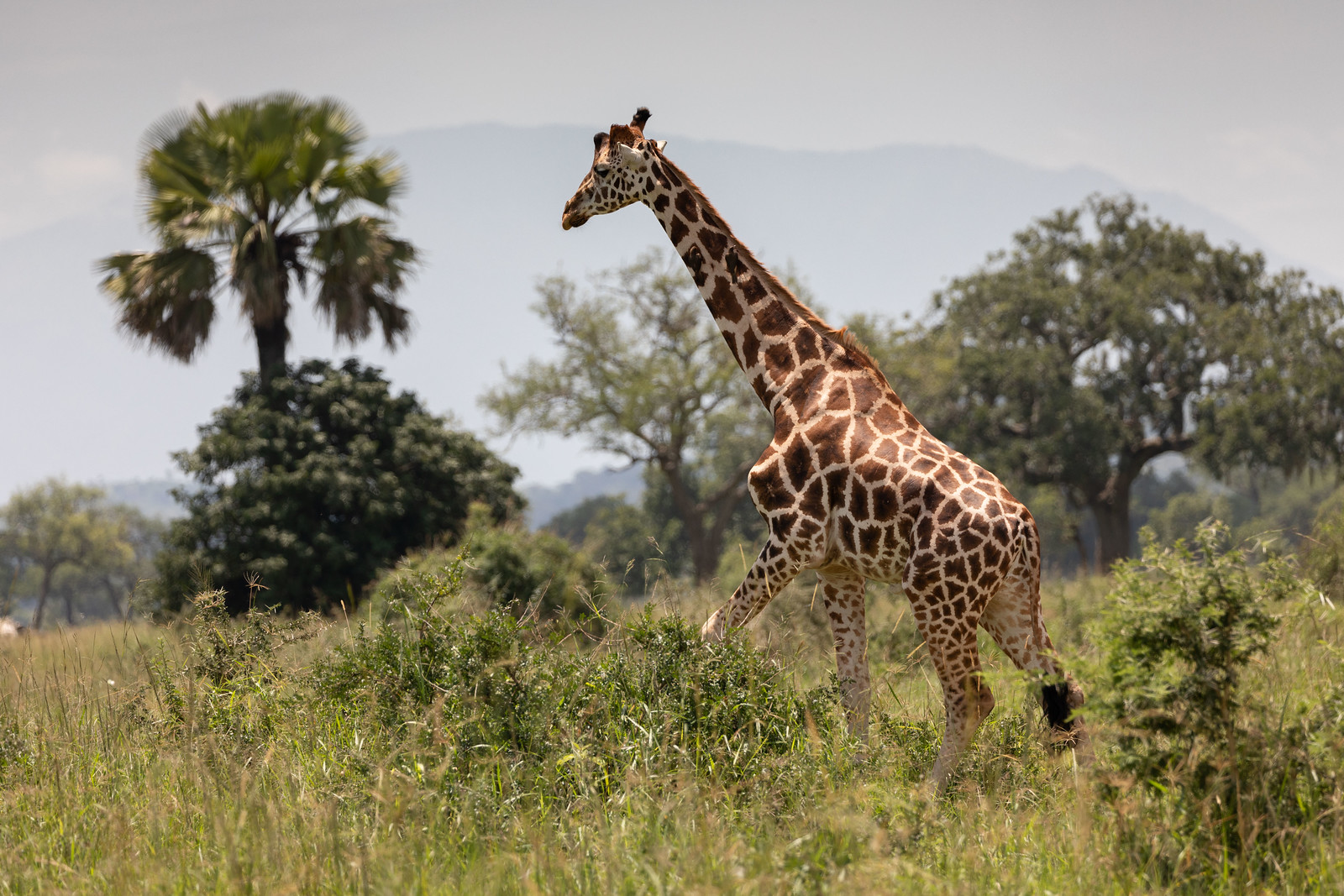
Rothschild’s giraffes are also found in Kidepo. Their tall bodies are easy to recognise when they move through open grassland or feed from scattered trees. They may be seen alongside other herbivores, including zebras, waterbucks, hartebeests, and warthogs.
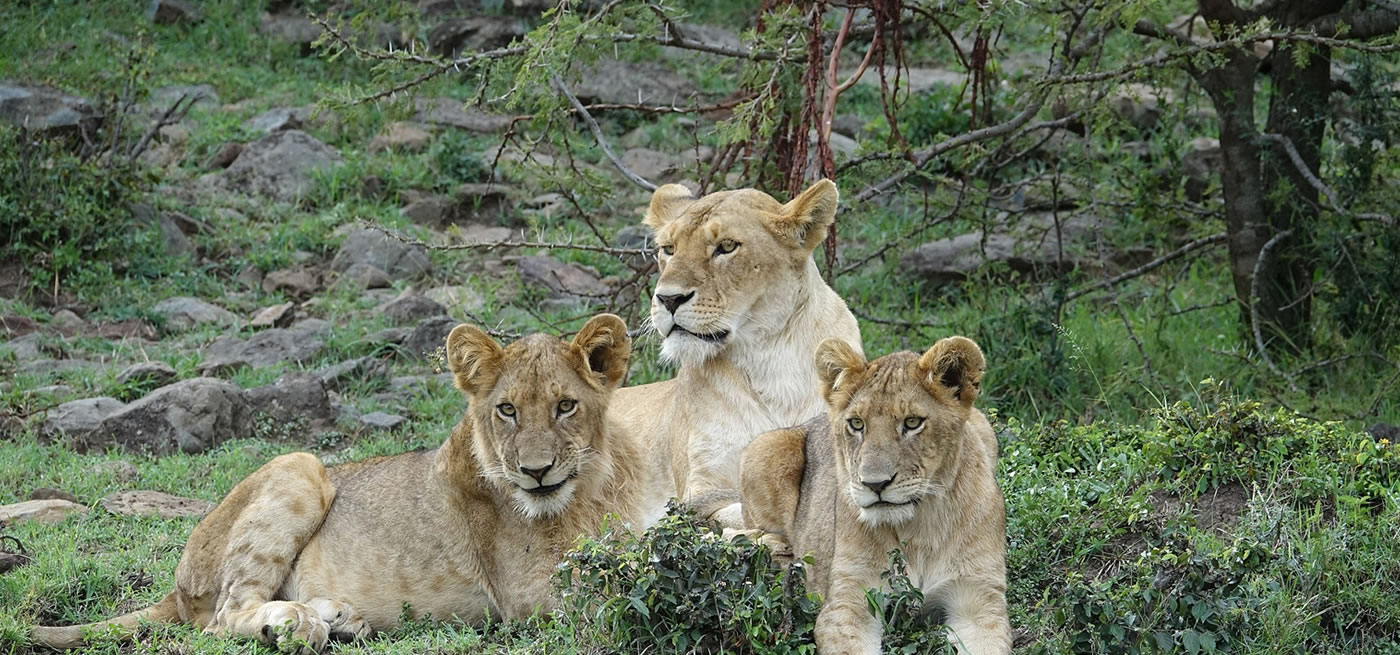
Lions are among the park’s most sought-after predators. They may rest in the shade during the hottest hours or move through the grasslands in search of prey. Leopards are also present, although their secretive behaviour makes them more difficult to spot.
Kidepo is especially notable for dry-country species that are uncommon elsewhere in Uganda. Cheetahs, bat-eared foxes, striped hyenas, and several specialised antelope species are among the animals associated with the park. Sightings vary, and visitors should understand that not every species will be encountered during a single visit.
The best way to appreciate Kidepo’s wildlife is to allow enough time for exploration. An experienced guide can help identify animals, interpret tracks, and explain how seasonal changes influence their movements.
Game Drives Across the Savannah Plains
Game drives are one of the main activities in Kidepo Valley National Park. They allow visitors to explore the park’s extensive plains while searching for wildlife and enjoying views of the surrounding mountains.
Early morning is often an excellent time to begin a game drive. Temperatures are generally cooler, and some animals are still active after the night. Predators may be moving through the grasslands, while herbivores begin feeding in open areas.
Afternoon game drives offer a different atmosphere. As the temperature begins to fall, animals may become more active, and the low sunlight creates warm colours across the savannah. This time of day can also be rewarding for photographers.
Narus Valley is commonly prioritised because wildlife often concentrates around available water sources, particularly during dry periods. Visitors may encounter elephants, buffaloes, giraffes, zebras, and antelopes while searching for lions and other predators.
Driving through Kidepo Valley provides a different experience. The terrain can appear drier and more expansive, with long views across seasonal riverbeds and open plains. Even when wildlife is scattered, the scenery makes the drive worthwhile.
A game drive is more than a search for the largest animals. Guides can explain feeding behaviour, predator-prey relationships, animal tracks, and the role of vegetation in the ecosystem. These details help visitors understand the park rather than simply collecting photographs.
Travellers should remain inside the safari vehicle unless their guide identifies an authorised place to get out. Keeping a safe distance from wildlife protects both visitors and animals.
Birdwatching in Kidepo National Park
Kidepo is an important birdwatching destination because its semi-arid environment supports many species associated with northern Uganda and neighbouring dry regions. Its grasslands, rocky slopes, woodland, and seasonal riverbeds provide habitats for a wide range of birds.
The park is particularly interesting for visitors searching for birds of prey. Eagles, vultures, falcons, and other raptors may be seen soaring above the plains or perched on exposed branches. Their presence adds another dimension to the safari experience.
Other notable birds include ostriches, secretary birds, kori bustards, Abyssinian ground hornbills, and various bee-eaters and hornbills. The exact species observed depends on the season, habitat, and time spent in the field.
Wild ostriches are a major attraction because Kidepo is the best-known place in Uganda to look for them in their natural environment. Their large size and distinctive appearance make them particularly memorable for birdwatchers and photographers.
Birdwatching can be combined with ordinary game drives, but dedicated birders may prefer to move slowly through suitable habitats and spend more time observing individual species. A knowledgeable guide can help identify birds by their calls, flight patterns, colours, and feeding behaviour.
Binoculars are highly useful, especially for identifying distant birds. Visitors should also carry drinking water, wear comfortable clothing, and allow time for quiet observation.
For travellers interested in photography, the park’s open scenery can make it easier to photograph birds in flight or against uncluttered backgrounds. Patience remains important because wildlife and birds rarely behave according to a visitor’s schedule.
Exploring Narus Valley and Kidepo Valley
Narus Valley and Kidepo Valley provide two different perspectives on the park. Exploring both helps visitors understand how water availability and habitat influence wildlife distribution.
Narus Valley is often the main focus for game viewing, particularly during the drier months. Remaining pools and wetland areas attract animals when water becomes scarce elsewhere. This can increase the chances of observing several species during a single drive.
The valley’s open plains provide good visibility, allowing guides to scan the landscape for animals. Visitors may see herds of buffaloes, groups of elephants, giraffes feeding near trees, and antelopes grazing across the grasslands.
Kidepo Valley offers a more rugged and arid landscape. Its seasonal river system and Borassus palms create distinctive scenery, while the surrounding mountains provide a dramatic background. The area also gives visitors a better appreciation of the seasonal nature of the park’s watercourses.
Conditions in the two valleys change throughout the year. During the rainy season, vegetation becomes greener and water may be more widely available. During the dry season, wildlife may concentrate around fewer water sources.
Visitors should discuss their interests with their guide before each game drive. This allows the day’s route to reflect current conditions, wildlife activity, and the time available.
Guided Nature Walks and Outdoor Exploration
Nature walks provide another way to experience Kidepo’s environment. Instead of viewing everything from a vehicle, visitors can explore selected areas on foot with an authorised guide or ranger.
Walking allows visitors to notice smaller details that are often overlooked during a game drive. These may include animal tracks, insects, plants, bird calls, and signs of feeding activity. Guides can explain how different species use the habitat and how the landscape changes with the seasons.
Guided walks around suitable areas of the park can provide an educational experience for visitors interested in ecology and natural history. The exact routes, duration, and availability depend on park regulations and current conditions.
Walking in a wildlife area requires care. Visitors should follow their guide’s instructions, remain together as a group, and avoid approaching animals. Some activities may require an armed ranger, and all walks should follow the applicable safety rules.
Travellers who enjoy hiking may also consider exploring selected mountain areas in the wider region. These excursions require separate planning and should be arranged with appropriate local guides.
Nature walks are particularly valuable for visitors who want to understand the park beyond its large mammals. They encourage closer observation and offer a different rhythm from the faster pace of a vehicle-based safari.
Cultural Experiences in the Karamoja Region
A visit to Kidepo can be combined with cultural experiences in the wider Karamoja region. The Karamojong are known for pastoral traditions in which livestock plays an important role in livelihoods, identity, and community life.
Depending on local arrangements, visitors may learn about traditional homesteads, livestock keeping, local foods, crafts, music, dance, and everyday activities. These experiences can help travellers understand how communities have adapted to the region’s climate and natural resources.
Cultural visits should be organised respectfully. Visitors should ask permission before photographing people, listen to local explanations, and follow the guidance of community hosts. It is also important to ensure that agreed payments are handled fairly and transparently.
The wider landscape is also associated with the Ik people, whose communities live in the mountain areas around Mount Morungole. Visits to these communities require advance planning and should be organised through knowledgeable local contacts who understand the appropriate arrangements.
Cultural tourism should not be treated as an opportunity to observe people without their consent. A meaningful visit allows community members to share their experiences on their own terms and receive benefits from tourism.
Combining cultural experiences with wildlife viewing creates a broader understanding of northeastern Uganda. The region is not only a wilderness destination but also a living landscape shaped by people, traditions, and changing environmental conditions.
The Best Time to Visit Kidepo National Park
Kidepo Valley National Park can be visited throughout the year, but seasonal conditions influence wildlife viewing, road access, birdwatching, and the appearance of the landscape.
The drier periods, including parts of December to March and June to August, often provide favourable conditions for game drives. Grass may be shorter, and animals can become easier to locate in open areas. Wildlife may also gather around remaining water sources, especially in Narus Valley.
Dry conditions can bring high temperatures and dusty roads. Visitors should carry enough drinking water, use sunscreen, and wear suitable clothing. Early morning and late afternoon are generally more comfortable times for outdoor activities.
The wetter months bring greener vegetation, changing scenery, and opportunities for rewarding birdwatching. However, heavy rain can make some roads more difficult to navigate. Travellers should allow flexibility in their schedules and use a suitable vehicle.
The best time depends on individual priorities. Visitors mainly interested in game drives may prefer the drier periods, while birdwatchers and landscape photographers may appreciate the colours and activity associated with the rains.
Before departure, travellers should check current road conditions, park access arrangements, and accommodation availability. Because Kidepo is remote, preparation is particularly important for avoiding unnecessary delays.
How to Get to Kidepo National Park
Travellers can reach Kidepo by road or domestic air transport. The best option depends on the available time, budget, preferred travel style, and wider itinerary.
Road travel from Kampala provides an opportunity to explore northern Uganda and parts of Karamoja. However, the journey is long, so visitors should plan suitable stops for meals, fuel, rest, and overnight accommodation when necessary.
A four-wheel-drive safari vehicle is recommended for many itineraries, particularly where roads are rough or weather conditions are challenging. Travellers should confirm their route with an experienced operator before departure.
Domestic flights can significantly reduce travel time. Depending on available services, visitors may arrange a scheduled or charter flight to Kidepo Airstrip. Transfers between the airstrip and accommodation should be confirmed in advance.
Flying can be useful for travellers with limited time who want to focus on game drives and other activities. Road travel may suit visitors planning a longer journey through northern Uganda or combining Kidepo with other destinations.
Regardless of the chosen transport, it is sensible to leave enough time for unexpected delays. A well-planned journey helps visitors arrive ready to enjoy the park rather than feeling rushed.
 Accommodation Options in Kidepo National Park
Accommodation around Kidepo ranges from budget camps to comfortable mid-range lodges and luxury safari properties. The available facilities and prices vary, so travellers should choose according to their budget, comfort requirements, and planned activities.
Budget accommodation may suit visitors who prefer simple facilities and want to spend more of their budget on transport and wildlife activities. Before booking, confirm the room type, bathroom arrangements, meals, electricity, and available services.
Mid-range lodges can offer a balance between comfort and cost. Depending on the property, guests may enjoy private rooms, restaurant services, outdoor seating, and views of the surrounding landscape.
Luxury lodges generally focus on spacious rooms, personalised service, dining, and scenic locations. Some properties overlook the plains, allowing guests to enjoy the landscape outside scheduled game drives.
Location is important when selecting accommodation. Staying within convenient reach of planned activities can reduce driving time and make early morning departures easier. Visitors should also check whether meals, transfers, guiding services, and park activities are included in the quoted price.
Because Kidepo is remote, it is advisable to book ahead and confirm essential arrangements before travelling. Visitors should not assume that shops, fuel stations, or other services will always be close to their accommodation.
How Many Days Should You Spend in Kidepo National Park?
The ideal length of stay depends on the activities visitors want to enjoy and how they plan to reach the park.
Three days at the destination can provide a good introduction to Kidepo. Visitors may have time for several game drives, birdwatching, scenic exploration, and opportunities to relax at their lodge.
Four or five days allow a more relaxed experience. This duration is particularly useful for photographers, birdwatchers, and travellers who prefer to spend longer observing wildlife rather than moving quickly between locations.
Visitors travelling by road from Kampala should allow additional time for the journey in both directions. Attempting to complete a long road transfer, several activities, and the return journey within a very short holiday can become tiring.
A fly-in safari may make a shorter stay more practical, although the additional transport costs need to be considered. Travellers should also coordinate flights and lodge transfers to avoid losing valuable time.
For the most rewarding experience, it is better to choose a realistic itinerary that allows time to appreciate the park than to include too many activities in a limited schedule.
Combining Kidepo With Other Uganda Destinations
Kidepo can form part of a wider Uganda safari, although the distances between destinations require careful planning.
Murchison Falls National Park is one possible addition for travellers interested in combining remote savannah landscapes with the River Nile, boat cruises, and the famous waterfall. The two parks offer different experiences, making them an appealing combination for wildlife enthusiasts.
Visitors interested in chimpanzee trekking may consider adding Kibale National Park or another suitable forest destination. Travellers hoping to see mountain gorillas can explore options for including Bwindi Impenetrable National Park, although the distance from Kidepo makes careful transport planning essential.
A longer itinerary may also include cultural experiences in Karamoja, scenic stops in northern Uganda, or time in Kampala and Entebbe before departure.
The best combination depends on the total number of days available and the visitor’s interests. Trying to cover too many destinations can lead to long transfers and leave too little time to enjoy each park.
A balanced itinerary gives visitors time to appreciate the differences between Uganda’s ecosystems, from the dry plains of Kidepo to the forests, wetlands, and river landscapes found elsewhere in the country.
What to Pack for a Kidepo Safari
Packing properly helps visitors remain comfortable during game drives, nature walks, and long road journeys.
Lightweight, breathable clothing is useful for warm days. Neutral colours such as khaki, brown, and olive are practical for wildlife viewing, while a light jacket can be helpful during cool mornings and evenings.
A wide-brimmed hat, sunglasses, sunscreen, and insect repellent are useful essentials. Comfortable closed shoes are suitable for most activities, while sturdy walking shoes may be needed for authorised nature walks.
Binoculars make it easier to observe distant animals and birds. Photographers should consider carrying spare batteries, memory cards, and protective equipment against dust and moisture.
Visitors should also pack personal medication, toiletries, identification, and any necessary travel documents. A reusable water bottle helps travellers stay hydrated, especially during hot afternoons.
Because services can be limited in remote areas, it is wise to confirm what the lodge provides before departure. Carrying essential personal supplies can prevent inconvenience during the stay.
Responsible Tourism and Conservation in Kidepo
Protecting Kidepo’s wildlife and landscapes is essential for the long-term future of the park. Its ecosystems depend on healthy habitats, functioning seasonal water systems, and the careful management of human activities.
Visitors can contribute by following park regulations, keeping a safe distance from wildlife, remaining on authorised roads, and avoiding littering. Feeding animals or encouraging them to approach vehicles can change their behaviour and create unnecessary risks.
Responsible tourism also means supporting local communities. Choosing suitable local guides, using accommodation that treats staff fairly, and participating in respectful cultural activities can help tourism benefits reach people living around the park.
The relationship between wildlife conservation and community livelihoods is particularly important in the wider Kidepo landscape. Animals may move beyond protected boundaries, sometimes creating challenges for nearby communities. Conservation approaches that support coexistence and local participation are therefore important.
Visitors should remember that wildlife sightings are never guaranteed. Guides may spend time searching for particular species without finding them, and travellers should avoid pressuring drivers to chase animals or leave designated routes.
A responsible safari values the health of the ecosystem as much as the experience of seeing wildlife. By following park rules and respecting local communities, visitors help protect the natural and cultural heritage that makes Kidepo special.
Why Kidepo National Park Is Worth Visiting
Kidepo Valley National Park offers a distinctive safari experience for travellers who want to discover Uganda’s remote wilderness. Its open savannah, rugged mountain scenery, large buffalo herds, diverse birdlife, and unusual dry-country species set it apart from many other destinations.
The park is especially suitable for visitors who appreciate quiet landscapes, patient wildlife observation, photography, and cultural learning. Its remote location requires additional preparation, but the opportunity to explore a less crowded wilderness area can make the journey worthwhile.
From watching elephants cross the plains to observing birds above the seasonal riverbeds, every part of a visit can reveal something different about the region’s natural environment. Cultural experiences in Karamoja can add further understanding of the people and traditions connected to the wider landscape.
With appropriate transport, knowledgeable guides, suitable accommodation, and enough time to explore, Kidepo Valley National Park can become one of the most memorable destinations on a Uganda safari.


