
Mgahinga National Park: A Complete Guide to Uganda’s Gorillas, Golden Monkeys and Volcanoes
Mgahinga Gorilla National Park is one of Uganda’s most scenic wildlife destinations, known for mountain gorilla trekking, golden monkey tracking, dramatic volcanic mountains, and rich cultural heritage. Located in the southwestern corner of Uganda, the park protects part of the Virunga Mountains, a chain of volcanic peaks shared by Uganda, Rwanda, and the Democratic Republic of Congo.
Although Mgahinga is Uganda’s smallest national park, covering approximately 33.7 square kilometres, it offers an exceptional variety of experiences. Visitors can trek through mountain forests to observe endangered gorillas, search for golden monkeys in bamboo vegetation, climb volcanic slopes, watch birds, and learn about the traditional forest knowledge of the Batwa community.
The park’s landscape differs from the dense rainforest of Bwindi Impenetrable National Park. Mgahinga combines bamboo forests, montane woodland, thick forest, high-altitude vegetation, and open areas on the volcanic slopes. Its three prominent volcanoes create a striking backdrop for wildlife activities and scenic exploration.
Mgahinga is especially suitable for travellers who want to combine primate encounters with hiking and cultural experiences. A visit can form part of a wider Uganda safari that includes Bwindi, Lake Bunyonyi, Lake Mutanda, Queen Elizabeth National Park, or other destinations in the southwestern region.
Where Is Mgahinga National Park Located?
Mgahinga Gorilla National Park is situated in Kisoro District in southwestern Uganda, close to the borders with Rwanda and the Democratic Republic of Congo. It forms part of the wider Virunga Conservation Area, a transboundary landscape that connects protected habitats across the three countries.
The nearest major town is Kisoro, which serves as a useful base for travellers visiting the park. The town provides accommodation, restaurants, transport services, and access to nearby attractions. The park headquarters and the main activity starting point are at Ntebeko, where visitors gather for briefings and organised excursions.
Travelling from Kampala or Entebbe by road generally takes most of a day. The journey passes through changing countryside, towns, agricultural landscapes, and the highlands of southwestern Uganda. The final section includes winding roads, so allowing enough time for the transfer is important.
Visitors can also arrange domestic flights to the Kisoro area, subject to available schedules and operating conditions, followed by a road transfer to their accommodation. Travellers arriving through Kigali, Rwanda, may find the southern route convenient, depending on their itinerary and border arrangements. Entry requirements and travel documents should be checked before departure.
Because the park is close to international borders, visitors should not assume that crossing into Rwanda or the Democratic Republic of Congo is automatically permitted during an activity. International travel must follow the relevant immigration procedures, and park excursions should remain within their authorised areas.
The History and Conservation Importance of Mgahinga
Mgahinga was established as a national park in 1991 to protect its endangered wildlife, distinctive volcanic landscape, and important forest habitats. The protected area had previously received other forms of conservation status, reflecting the long-standing importance of its mountain forests and wildlife.
The park forms part of a much larger ecological system extending into neighbouring countries. Mountain gorillas, golden monkeys, and other animals use habitats across the Virunga landscape, although the movements of individual animals depend on their behaviour, food availability, and environmental conditions.
Conservation in Mgahinga focuses on protecting wildlife, maintaining forest habitats, supporting research, and managing tourism responsibly. Rangers and conservation staff monitor wildlife, help enforce park regulations, and guide visitors during activities that require official supervision.
The park also contributes to the protection of water catchments and highland ecosystems. Its forests and vegetation help regulate water movement, reduce soil erosion, and maintain habitats for numerous species.
Communities living around Mgahinga are important partners in conservation. Tourism provides income for guides, porters, accommodation workers, craftspeople, and other local service providers. Community activities also create opportunities for visitors to learn about the history and traditions of people whose lives are closely connected to the surrounding landscape.
The Three Virunga Volcanoes
One of Mgahinga’s most distinctive features is its collection of three volcanic mountains: Mount Muhabura, Mount Gahinga, and Mount Sabyinyo. These peaks rise above the surrounding highlands and provide opportunities for challenging hikes, scenic photography, and exploration of different vegetation zones.
Mount Muhabura
Mount Muhabura, also known as Mount Muhavura, rises to approximately 4,127 metres above sea level. It is the highest of the three volcanoes within Mgahinga and is a demanding destination for hikers seeking a full-day mountain challenge.
The ascent passes through different vegetation zones as the altitude increases. Lower slopes give way to high-altitude vegetation, with cooler temperatures and more exposed terrain near the upper sections. The climb requires stamina, suitable footwear, sufficient drinking water, and preparation for changing weather.
On a clear day, the elevated viewpoints can provide impressive views of the surrounding Virunga peaks and the wider highland landscape. Visibility depends on cloud cover and weather conditions, which can change rapidly in the mountains.
Mount Muhabura is best suited to travellers who are comfortable with strenuous hiking. Anyone considering the climb should discuss fitness, weather, and equipment requirements with the park authorities or tour organiser before the activity.
Mount Gahinga
Mount Gahinga rises to approximately 3,474 metres and gives the national park its name. The name is commonly associated with small piles of volcanic stones found in the region.
Compared with the highest slopes of Mount Muhabura, Mount Gahinga offers a different mountain environment, with forest and bamboo vegetation forming important parts of its lower and middle slopes. These habitats support wildlife and contribute to the ecological diversity of the Virunga Mountains.
Hiking Mount Gahinga provides an opportunity to explore the park beyond its best-known primate encounters. Visitors can observe changing vegetation, enjoy mountain scenery, and learn from guides about the volcanic landscape and the plants that grow at different elevations.
The hike still requires preparation because the trail may be muddy, steep, or slippery. A ranger or authorised guide should accompany visitors according to park regulations.
Mount Sabyinyo
Mount Sabyinyo is another prominent peak in the Virunga range and rises to approximately 3,669 metres. Its name is often associated with the appearance of an old person’s worn teeth, referring to the mountain’s rugged summit profile.
The mountain is particularly distinctive because its summit area lies where the borders of Uganda, Rwanda, and the Democratic Republic of Congo meet. Reaching the summit is a major hiking achievement, although the route is demanding and requires careful attention to safety.
The climb includes steep sections and rugged terrain. Wooden ladders may be used at particularly difficult points along the route, depending on trail conditions and maintenance. Visitors should follow their guide’s instructions and avoid attempting the climb without the required arrangements.
The mountain offers dramatic views when the weather is clear. Clouds and mist can reduce visibility, so reaching the summit does not guarantee uninterrupted panoramic views.
Mountain Gorilla Trekking in Mgahinga National Park
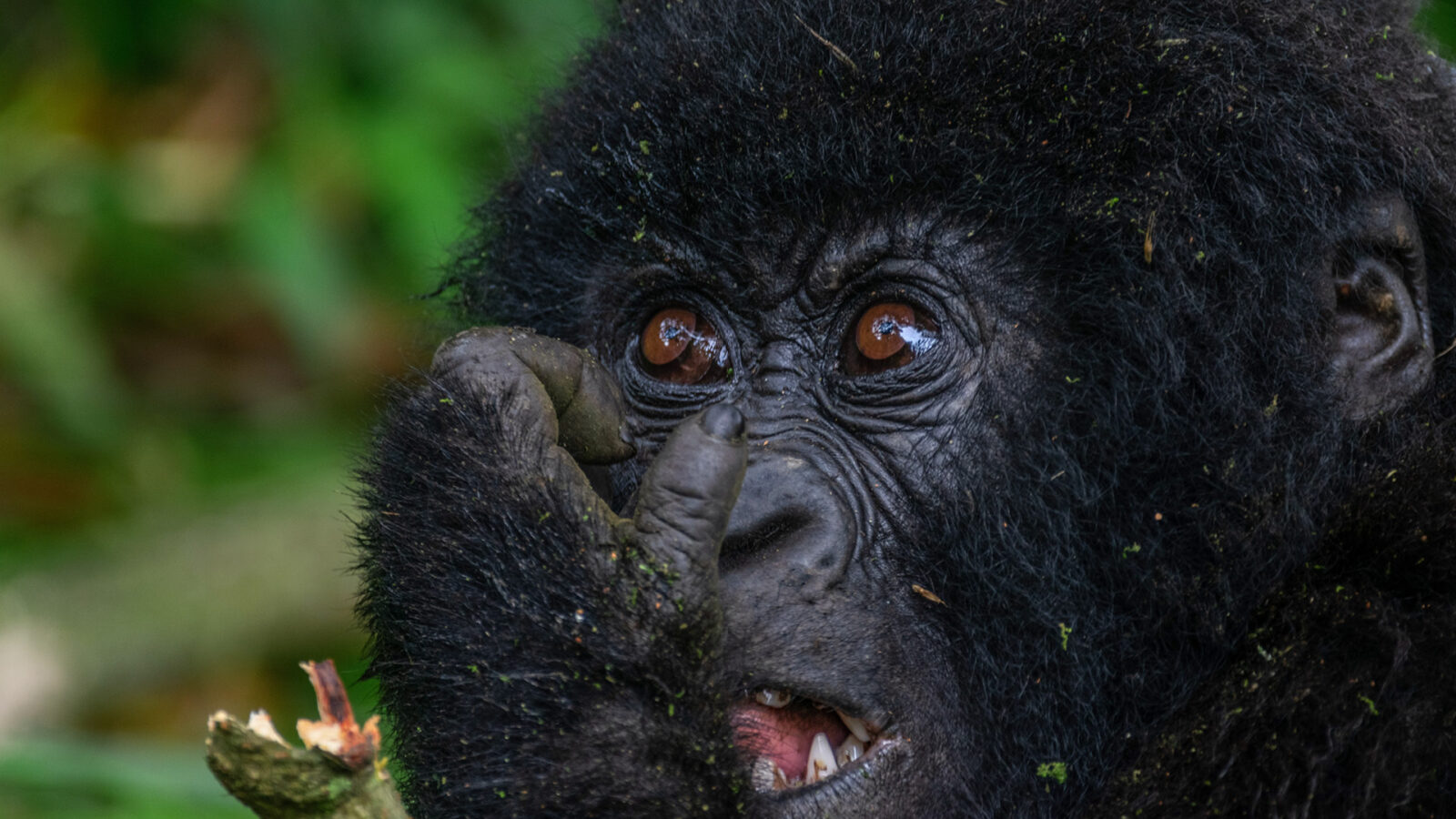
Mountain gorilla trekking is one of the park’s leading attractions. Mgahinga protects habitat used by endangered mountain gorillas and offers visitors the opportunity to observe these primates in their natural environment.
The park is associated with the Nyakagezi gorilla family, a habituated group visited through authorised trekking arrangements. Gorilla families can move across the wider Virunga landscape, so visitors should confirm the current trekking arrangements and permit availability before finalising their travel plans.
The experience begins with a briefing at the designated meeting point. Guides explain the trekking procedures, safety rules, expected behaviour, and conservation measures. Trackers work to locate the gorillas, and visitors follow the guide through the forest and surrounding vegetation.
Trekking duration varies according to the location of the gorillas, terrain, weather, and the time required to find the group. Some walks may be relatively short, while others require several hours of hiking. Visitors should be prepared for uneven ground, slippery trails, steep slopes, and thick vegetation.
Once the gorillas are located, visitors are normally allowed one hour to observe them under standard trekking rules. This provides an opportunity to watch the animals feeding, resting, moving through the forest, and interacting with other members of the family.
The experience can be rewarding for both first-time visitors and experienced wildlife enthusiasts. Seeing a gorilla family at close range provides a rare opportunity to understand their social behaviour and the importance of protecting their habitat.
A valid gorilla trekking permit is required, and permits should be arranged through the Uganda Wildlife Authority or a reputable tour operator. Availability can be limited, so booking in advance is advisable, especially during busy travel periods.
Golden Monkey Tracking in Mgahinga
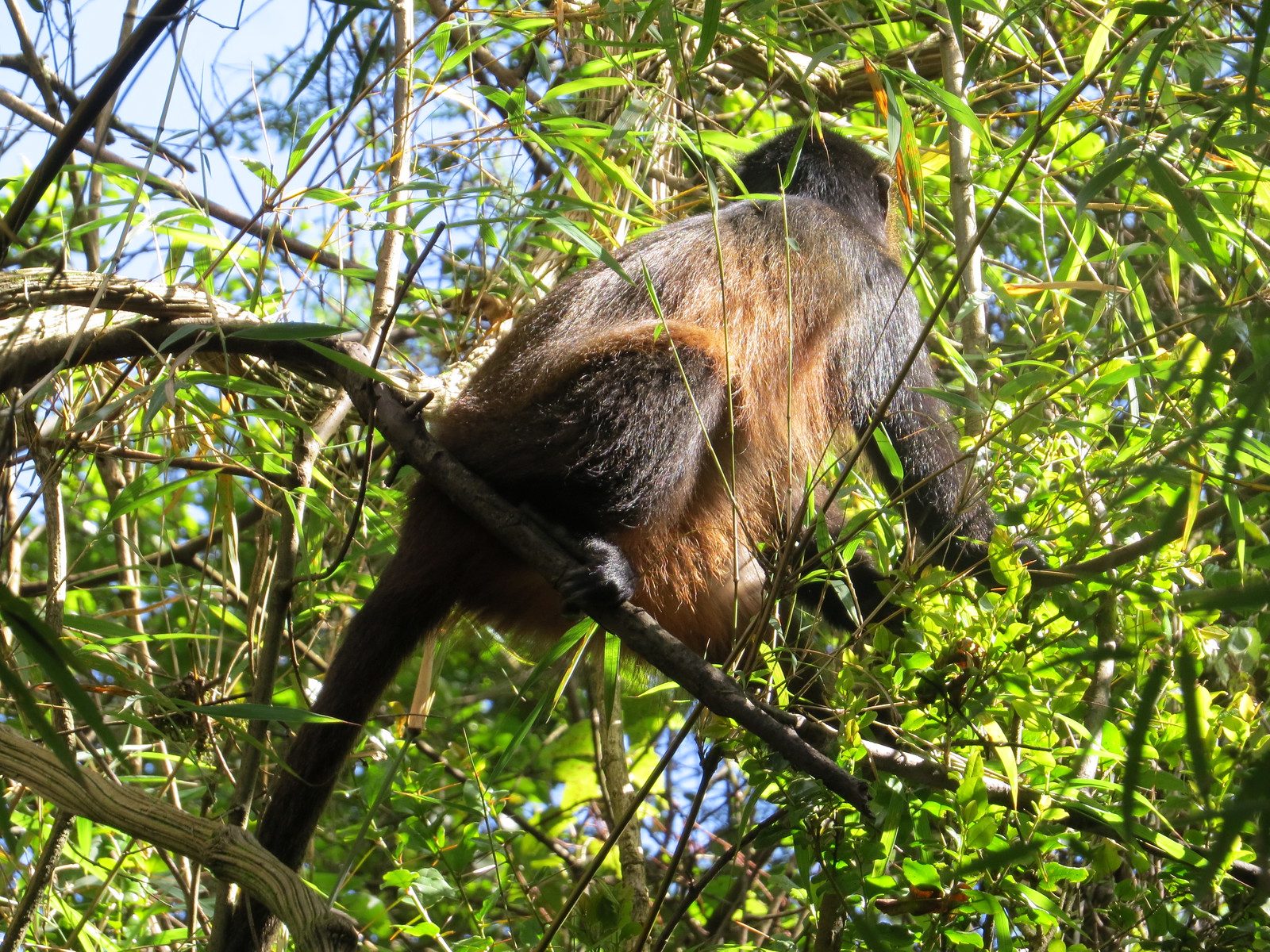
Golden monkey tracking is another major reason to visit Mgahinga. The park is one of the key protected areas for these endangered primates, which are found in the Virunga region and are strongly associated with bamboo forest habitats.
Golden monkeys are recognisable by their golden-orange markings, lively movements, and social behaviour. They often travel through bamboo vegetation in search of food, moving between branches and the forest floor. Their activity can make them entertaining subjects for wildlife photography.
The tracking experience generally begins with a briefing before visitors enter the forest with trained guides. The search may involve walking through bamboo stands and following trails where the monkeys have recently been active. The length of the activity varies according to the location and movement of the troop.
Visitors are normally allowed a designated viewing period after the monkeys are found. Guides explain how to observe the animals without disturbing them and help visitors understand their feeding behaviour, social interactions, and habitat requirements.
Golden monkey tracking is often less physically demanding than a strenuous volcano climb, although the terrain can still be steep, wet, and slippery. Comfortable hiking shoes, long trousers, and a waterproof jacket are recommended.
For travellers with sufficient time, combining golden monkey tracking with gorilla trekking creates a varied primate experience. The two activities take place in different habitats and offer opportunities to observe two endangered primates with distinctive behaviours.
Other Wildlife in Mgahinga National Park
Although gorillas and golden monkeys are the main wildlife attractions, Mgahinga supports several other mammal species. These include forest elephants, buffaloes, bushbucks, duikers, giant forest hogs, and various smaller mammals. Some species are difficult to observe because they move through dense vegetation or avoid people.
The park also supports other primates, including black-and-white colobus monkeys and golden monkeys, alongside smaller forest-dwelling species. Their presence contributes to the complexity of the forest ecosystem and provides additional opportunities for wildlife observation during guided walks.
Large mammals such as elephants and buffaloes may be present without being easily seen. Visitors should therefore avoid treating Mgahinga as a conventional savannah game drive destination. The park is better suited to guided walking activities, primate tracking, birdwatching, and mountain exploration.
Wildlife sightings depend on weather, vegetation, animal movements, and the time spent in the forest. A knowledgeable guide can help visitors recognise animal calls, tracks, feeding signs, and other evidence of wildlife activity.
Birdwatching in Mgahinga National Park
Mgahinga is also a rewarding destination for birdwatchers. Its position within the Albertine Rift and the range of habitats found on the volcanic slopes support a variety of forest and highland bird species.
Birds can be found in bamboo stands, montane forest, woodland, and areas of higher-altitude vegetation. Depending on the location and conditions, visitors may encounter the Rwenzori turaco, various sunbirds, flycatchers, and other forest-associated species.
Birdwatching can be organised as a separate activity or combined with other park experiences. Early mornings are often useful for listening to bird calls and observing activity before the day becomes warmer.
A pair of binoculars is helpful because many birds remain in the canopy or move quickly through vegetation. Visitors interested in photography should bring equipment suitable for low light and forest conditions.
The park’s varied elevations make it particularly interesting for birders who want to explore how bird communities change across different habitats. Guided walks can also introduce visitors to the wider ecology of the Virunga Mountains.
The Batwa Cultural Experience
The Batwa people have a deep historical relationship with the forests of southwestern Uganda. Before the establishment of protected areas and changes in land use, Batwa communities relied on forest resources for food, shelter, medicine, and other aspects of everyday life.
The Batwa cultural experience near Mgahinga offers visitors an opportunity to learn about traditional knowledge, forest skills, music, dance, storytelling, and the history of the community. Activities are organised with Batwa participants who share aspects of their heritage and explain the changes that have affected their relationship with the forest.
The experience provides important context for understanding conservation. The creation of national parks helped protect endangered wildlife and sensitive habitats, but it also changed access to traditional forest areas for communities that had depended on them. Responsible cultural tourism can help preserve knowledge, create income, and support greater understanding between visitors and local residents.
Visitors should approach the experience with respect and an open mind. Ask permission before taking photographs, listen carefully to the hosts, and recognise that cultural traditions are living practices rather than simply attractions for tourists.
Including this activity in a Mgahinga itinerary can provide a more complete understanding of the area’s human history alongside its wildlife and natural scenery.
 Nature Walks and Forest Exploration
Guided nature walks allow visitors to explore Mgahinga at a slower pace. These activities may pass through forest, bamboo vegetation, and other habitats while guides explain the plants, animals, and ecological processes that make the park distinctive.
Nature walks can be suitable for travellers who are not planning a full volcano climb but still want to spend time in the forest. The difficulty varies according to the selected route, and visitors should ask about the distance, elevation changes, and expected walking time before starting.
The park’s vegetation changes with altitude. Lower areas may include woodland and forest, while higher slopes support bamboo, montane vegetation, and plants adapted to cooler conditions. These changes create a rich environment for observing plant diversity and wildlife signs.
Walking through the park also offers opportunities to photograph the volcanoes, study forest plants, and listen to bird calls. As weather can change quickly, visitors should be prepared for rain even when the morning begins with clear skies.
Best Time to Visit Mgahinga National Park
Mgahinga can be visited throughout the year, but the weather affects hiking conditions, road access, and the overall comfort of outdoor activities.
The relatively drier periods commonly occur from June to August and December to February. These months are often favoured for gorilla trekking, golden monkey tracking, and volcano hiking because trails may be less muddy. However, rainfall can occur at any time, especially in a mountainous rainforest environment.
The wetter periods generally include March to May and parts of September to November. Trails may become slippery, and hiking can require additional care. The vegetation is often lush during wetter months, and birdwatching can remain rewarding.
The best time to visit depends on the main activity. Travellers planning to climb Mount Muhabura or Mount Sabyinyo should pay particular attention to weather forecasts and trail conditions. Those mainly interested in gorilla trekking or golden monkey tracking should focus on permit availability, accommodation, and a well-planned transport schedule.
Regardless of the season, visitors should carry waterproof clothing, sturdy footwear, and layers suitable for cool mornings and higher elevations.
How to Get to Mgahinga National Park
The most common route to Mgahinga is by road from Kampala or Entebbe through southwestern Uganda. The journey is long and may take around nine to ten hours or more, depending on traffic, road conditions, stops, and the final accommodation.
Travelling by private safari vehicle allows visitors to stop along the way and manage their schedule more easily. It also makes it possible to combine Mgahinga with other destinations in the region.
Domestic flights to the Kisoro area can reduce the time spent travelling by road. Flight availability, schedules, baggage restrictions, and transfers should be confirmed before booking, as air travel may not operate on every date.
Visitors coming from Rwanda may be able to reach Kisoro through an appropriate border crossing. This can be convenient for itineraries that combine Rwanda with southwestern Uganda, but the route must be planned around passport requirements, visa conditions, border opening arrangements, and road transfers.
Once in the Kisoro area, visitors continue by road to their lodge and the park entrance. The final journey may involve winding roads and changes in elevation, so it is useful to arrive the day before an early-morning trekking or hiking activity.
Accommodation Near Mgahinga National Park
Accommodation for Mgahinga visitors is mainly found around Kisoro and in the countryside near the park entrance. Options range from budget guesthouses to mid-range lodges and more luxurious properties with mountain views.
Budget accommodation is suitable for travellers who want a practical base close to the park. Facilities vary, so visitors should confirm whether private bathrooms, meals, hot water, and transport arrangements are included.
Mid-range lodges often provide comfortable rooms, dining facilities, and views of the surrounding hills. These properties can suit couples, families, and travellers who want a balance between comfort and cost.
Luxury accommodation offers a more refined stay, sometimes with spacious rooms, personalised service, scenic terraces, and carefully prepared meals. Such properties can be particularly appealing after a demanding day of trekking or mountain hiking.
When choosing accommodation, consider the distance to Ntebeko, the starting point for the planned activity, and whether the property provides early breakfast or transport. Visitors intending to undertake both gorilla trekking and golden monkey tracking may benefit from staying for at least two nights.
What to Pack for Mgahinga National Park
The right equipment makes a substantial difference during trekking and hiking in Mgahinga. The terrain can be steep and muddy, while temperatures vary between lower elevations and the higher mountain slopes.
Sturdy hiking boots with good grip are essential for most activities. Long trousers and long-sleeved shirts help protect against scratches from vegetation and insect bites. A waterproof jacket, warm layer, and comfortable socks are useful because the weather can change quickly.
A small backpack should contain drinking water, personal medication, snacks where permitted, a camera, and protection for electronic equipment. Hiking poles may help with balance on difficult sections, especially for visitors undertaking longer climbs.
For birdwatching and wildlife photography, binoculars and a suitable camera can improve the experience. Visitors should avoid carrying unnecessary heavy equipment on demanding hikes.
Anyone planning to climb one of the volcanoes should discuss the specific route and equipment requirements with the guide or park authorities in advance. High-altitude hiking requires more preparation than a short forest walk.
Gorilla Trekking Rules and Responsible Tourism
Gorilla trekking in Mgahinga follows strict conservation rules designed to protect visitors and endangered primates. Visitors must obtain the required permit, attend the briefing, remain with their guide, and follow all instructions during the encounter.
People who are unwell should inform the relevant authorities and follow the guidance provided to reduce the risk of transmitting infections to gorillas. Visitors must maintain the required distance, avoid sudden movements, refrain from feeding or touching the animals, and never use flash photography.
The viewing period is limited, and visitors must leave when instructed. These rules reduce disturbance and help protect the health of the gorillas.
Responsible tourism also means respecting the forest, avoiding litter, staying on authorised routes, and not disturbing wildlife encountered outside the main activity. Supporting local guides, porters, accommodation providers, and community initiatives helps ensure that tourism contributes to livelihoods around the park.
The long-term future of Mgahinga depends on effective conservation, healthy habitats, responsible visitor behaviour, and cooperation between park authorities and local communities.
How Long Should You Stay in Mgahinga?
A two-day visit can work well for travellers who want to focus on one main activity, such as gorilla trekking or golden monkey tracking, with time for arrival and departure. However, visitors travelling by road from Kampala or Entebbe may prefer a longer itinerary because of the distance involved.
A three-day stay provides more flexibility. Travellers may be able to combine gorilla trekking with golden monkey tracking or a cultural experience, depending on permit availability and the activity schedule.
Four or more days may be suitable for visitors who want to add a volcano hike, nature walks, birdwatching, and time to explore the Kisoro area. Mountain climbs should be planned carefully because they can be physically demanding and sensitive to weather conditions.
Mgahinga can also be combined with Bwindi Impenetrable National Park. This allows visitors to experience two different forest landscapes and potentially include several primate activities in one itinerary. The route should be designed around the selected gorilla trekking sector, accommodation, and road conditions.
Mgahinga National Park for Different Types of Travellers
Mgahinga appeals to wildlife enthusiasts who want to observe mountain gorillas and golden monkeys in a dramatic mountain setting. Its relatively small size does not reduce its value for visitors interested in rare primates and forest ecosystems.
Hikers are drawn to the three volcanoes, each of which offers a different challenge and landscape. These activities suit travellers who enjoy physical adventure and want more than a standard wildlife viewing experience.
Birdwatchers benefit from the park’s range of forest and highland habitats, while photographers can capture primates, misty slopes, bamboo vegetation, and volcanic scenery. Visitors interested in culture can add the Batwa experience to learn about the history and traditions of people connected to the forest.
Mgahinga is also suitable for travellers seeking a quieter alternative to some of Uganda’s busier tourism destinations. Nevertheless, permits and accommodation should still be arranged in advance, particularly when gorilla trekking is the main purpose of the trip.
Planning a Mgahinga National Park Safari
A successful Mgahinga safari begins with deciding which activities matter most. Gorilla trekking, golden monkey tracking, and volcano hiking require different levels of preparation and may need separate permits or activity bookings.
Travellers should confirm activity availability before paying for accommodation and transport. They should also check current permit prices, entry requirements, weather conditions, and any operational changes with the Uganda Wildlife Authority or a reputable local tour operator.
The itinerary should allow enough time for the journey to Kisoro and for transfers between accommodation and the park. Arriving a day before an early start helps reduce the risk of delays and allows visitors to rest before a demanding activity.
For travellers who want a combination of wildlife, mountain scenery, and culture, Mgahinga provides an excellent introduction to the Virunga region of southwestern Uganda. Its mountain gorillas, golden monkeys, volcanic peaks, forest habitats, and community experiences make it a distinctive destination for a carefully planned Uganda safari.


